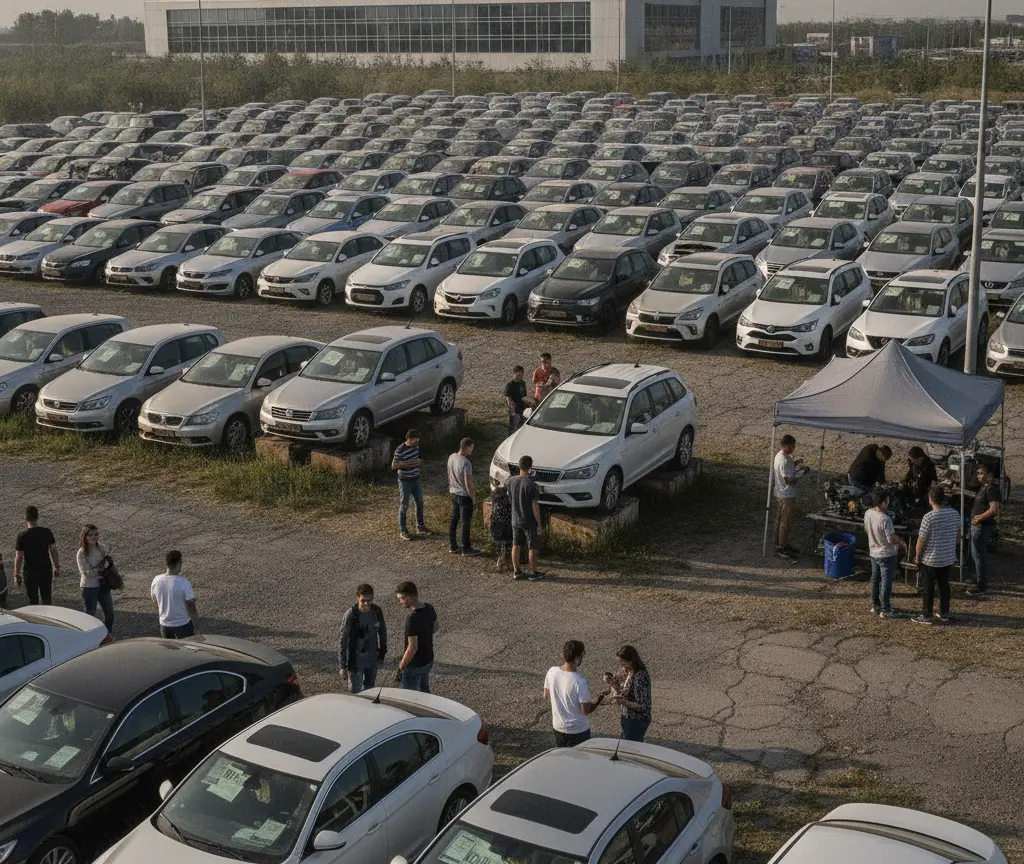
The used car market never stands still. Prices climb, then they cool. Supply tightens, then it loosens again. For a dealership, the hard part is not the noise of a single month. It is reading where the used car market is actually heading. This guide gives a clear, cautious view of 2026, so you can plan instead of react.
None of what follows is a crystal ball. It is a sober read of the signals that matter to a dealer. We look at prices, at supply, and at how buyers now shop. Where a number matters, it is tied to a named source at the end. The aim is simple. Turn a noisy used car market into a few clear moves you can make this quarter.
Why the used car market feels different now
The last few years reset everyone’s expectations. During the chip shortage, new cars were scarce. Buyers flooded into the used car market instead. Prices spiked to levels nobody had seen before. Then production recovered and demand normalised. The spike unwound just as fast. A dealer who paid top money in that window felt the swing a year later.
That whiplash is why 2026 feels uneasy. The market is not crashing. But it is no longer the easy seller’s market of the shortage years. Margins are thinner now. Mistakes cost more, because one overpriced car sits longer and drags the whole month down.
Picture a garage that still prices every trade-in as if it were 2022. It sits on ageing stock for weeks. A sharper rival turns cars in three weeks flat. Same town, same demand, very different result. The old reflexes do not fit the used car market of 2026. Reading the trend is now part of the daily job, not a once-a-year review.
There is a deeper shift underneath the prices. Buyers grew used to scarcity and high asking prices. Now they sense the air coming out. They negotiate harder and walk away faster. A dealer who reads that mood and prices fairly keeps the conversation open. One who clings to peak pricing watches buyers leave without a word.
Prices have cooled from the peak
The clearest trend is simple. Used prices have come down from their highs. They are settling into a calmer, more predictable pattern. Indices that track wholesale values, such as the Manheim index from Cox Automotive, show the spike fading. This is not a free fall. In Europe, national valuation bodies report a similar normalisation. The headline is the end of an unusual boom, not a collapse.
For a dealer, the practical point is timing and realism. A car bought at an inflated price eats your margin quietly. It does so week after week, in money you never see leave the account. So price to today, not to last year’s memory.
Consider a dealer who lists a popular family car a few hundred above the market. Each week it sits, newer listings undercut it. The eventual sale comes lower than an honest price would have on day one. Pricing to live data is the single habit that protects margin most. The dealers who win do not guess the bottom. They price to reality every time.
The number that tells the truth
Pull the average days in stock for the cars you sold last month. Then compare it with the cars still sitting on the lot. The gap is your early warning. Anything ageing well past your normal turn is priced to yesterday. One honest markdown now almost always beats another month of carrying cost.
Supply stays tight, and here is why
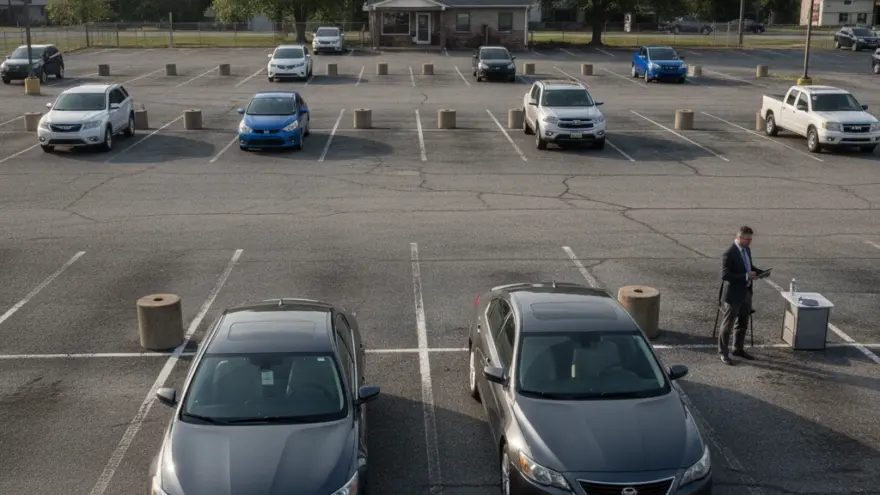
Used supply does not refill overnight. Today’s used cars are yesterday’s new ones. New car sales were weak from 2020 to 2022. So there are simply fewer three and four year old cars coming to market now. Fewer lease returns and fewer fleet de-fleets add to the squeeze. Registration bodies track the dip that feeds straight into this gap a few years later.
That tightness has two faces. Good used cars hold value and sell quickly. That is welcome for anyone holding clean stock. But sourcing the right cars is harder and more competitive. You feel it most when the lot starts to thin out.
A garage that relies only on walk-in trade-ins will struggle to keep the forecourt full. The dealers doing well in 2026 widen their sourcing. They court service customers for trade-ins early. They treat a clean, well-kept car as the scarce asset it has become. One dealer simply asked every service visitor about their next car. The workshop became a steady supply line, while rivals fought over the same auction lanes.
Tight supply also changes what you should stock. Cheap, high-mileage cars are easy to buy but slow to sell. Clean, mid-range cars with a clear history are the scarce, fast-moving asset. So focus your budget where demand is deep. A well-kept three year old hatchback will earn its keep faster than two tired bargains that linger.
How buyers shop in 2026
The car may be used, but the buying journey is firmly digital. Most buyers research online for days before they ever call. They compare price, history and photos across providers. They expect transparency and they expect a fast reply. Search itself is shifting too. AI-assisted answers pull from clean, well-structured sources. That rewards dealers whose vehicles live as real pages, not buried portal entries.
Think of a buyer who finds two listings for the same model. One has fifteen honest photos, a clear price and a reply within the hour. The other has three photos and a form that goes unanswered until tomorrow. The first dealer wins, almost every time. Often the second has not even read the message yet.
Trust is the quiet currency of this journey. Buyers now expect a full history, honest photos and a price they can check. A vague listing reads as a red flag. A complete one reads as a dealer worth visiting. Show the service record, the real mileage and a few honest flaws. Buyers reward that candour with a call.
Meeting the 2026 buyer means being findable, honest about price, and quick. That is why owning your own channel matters in a tight used car market. It is the case made in why your dealership website matters more than ever. A portal rents you visibility for a month. Your own pages build an asset that keeps working long after the listing fee runs out.

What this means for your dealership
Put the trends together and the playbook is clear. Prices reward realism. Supply rewards smart sourcing. Buyers reward speed and transparency. None of that depends on the market doing you a favour. It depends on tightening your own operation. That is how you win the cars and the customers that are already there.
In practice it means three habits. Price each car to live data and turn it before it ages. Source beyond the forecourt and keep good stock moving, rather than hoarding it. Present every car as a proper online experience, not a thin classified. That last idea sits behind making your vehicles experienceable online around the clock.
A dealer who does these three things steadily will beat the used car market average, even in a flat year. The average includes everyone still running 2022 reflexes. You do not need the market to boom. You need to be sharper than the dealer who is waiting for it to.
How to prepare for the rest of 2026
Start with a clear-eyed stock review. Identify the cars that have aged past their sweet spot. Reprice or move them now, rather than hoping the market lifts them. One honest markdown today usually beats three months of carrying cost. Then set a simple rule. Every new arrival is priced to current data on day one, with no exceptions for a car you personally like.
Next, shore up sourcing and presentation. Ask service customers about their next car before they go elsewhere. Widen your buying channels so the lot never runs thin. Make sure every vehicle is online fast, with real photos, a clear price and an easy way to enquire.
One small garage repriced its ageing stock and asked its workshop customers for trade-ins. It answered enquiries within the hour. Its turn rate climbed quietly, while the wider used car market around it barely moved. Steady discipline, not a market miracle, is what wins 2026. The trend is the backdrop. Your habits are the result.
Keep a simple weekly rhythm and the rest follows. Each Monday, look at what aged and what sold. Adjust prices on anything past its sweet spot. Check that new arrivals went online with full photos. None of this is dramatic. It is the quiet routine that keeps a forecourt healthy when the market gives you no free wins.
Sources
- Cox Automotive, Manheim Used Vehicle Value Index and market insights on wholesale used values.
- DAT (Deutsche Automobil Treuhand), DAT-Report on the German used and new car market.
- Think with Google, consumer research on how car buyers search online.
Frequently Asked Questions
Will used car prices keep falling in 2026?
Most signals point to a calmer, settled market rather than a crash. Prices have come down from the shortage peak and are normalising. Plan for steady values, not another boom, and price each car to today’s data.
Why is used supply still tight?
Today’s used cars are the new cars sold three to four years ago, and 2020 to 2022 were weak years. Fewer lease returns and fleet de-fleets add to the gap, so good stock stays scarce.
Should I reprice ageing stock now?
Usually yes. One honest markdown today often beats three months of carrying cost while newer listings undercut you. Price each car to current data, not last year’s memory.
How fast do buyers expect a reply?
Within the hour wins, ideally faster. Most buyers research for days, then contact a few dealers. The first credible, quick answer usually gets the visit.
Are electric cars changing the used market?
Yes, gradually. Used EV values and demand are still finding their level. Price them cautiously and be transparent about range and battery health.
Is 2026 a good time to buy stock?
It can be, if you buy to current values and turn cars quickly. The risk is overpaying out of old habits and then holding the car too long.
Do I need my own website to compete?
It helps a lot. Owned vehicle pages make you findable, let you control price and presentation, and capture the digital buyer instead of feeding a portal.
What is the single best habit for 2026?
Price every car to live market data on day one and turn it before it ages. Steady discipline beats waiting for the market to lift you.