Most people look for their next car on a phone today. They compare models, check prices and read reviews long before they walk onto a lot. That is why mobile car buyers make their most important shortlist while they are still on the move.
This guide shows how to use that quiet phase to your advantage. It is about fast pages, clear details and one easy next step. You reach the customer at the exact moment the decision is made.
Why mobile car buyers decide before they arrive
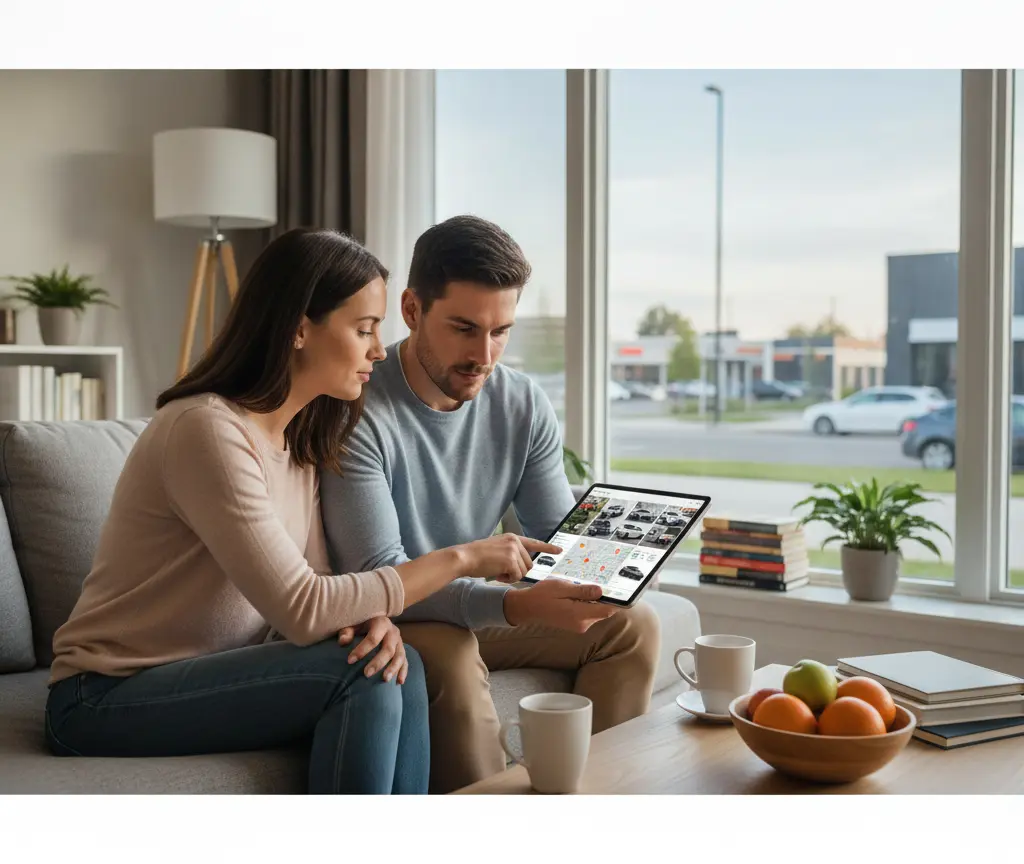
The road to a sale now starts on a screen. Someone searching on the couch in the evening often has two or three favorites before they ever drive over. The early decision happens right there.
Here is an example. A commuter looks for a wagon on the train. If your page shows clear photos and a fair price, they save your car. If the page loads too slowly, they are already at the next dealer.
What mobile car buyers check first
On a small screen the first impression counts twice. In a few seconds the visitor decides whether to stay. These are the three things mobile car buyers almost always look at first.
Clear photos and a fair price
Good photos and a visible price build trust at once. Anyone who hunts for the price and cannot find it leaves. Show both right at the top of the vehicle page.
The key facts
Mileage, model year and fuel type belong on screen immediately. The customer wants to know fast whether the car fits. Almost nobody reads long text on a phone.
Why speed matters on a phone
A slow page costs you real enquiries. On a phone patience is short and the network is not always fast. Every extra second of load time lets more visitors leave.
Test your own page on a phone and a mobile connection. Watch for heavy images that slow the build. Even small fixes keep more mobile car buyers on the page.
The vehicle page for small screens
What looks fine on a computer can feel crowded on a phone. Reorder the content for the narrow view. Then the visitor finds the way with a thumb right away.
The most important things first
Photo, price and enquiry belong at the top. What is rarely needed can sit further down. This order guides the eye on its own.
Big buttons over small links
On a phone people tap with a thumb, not a mouse. Buttons must be large enough and clearly labeled. That way everyone reaches the next step with ease.
Where to start on mobile first
If time is short, take care of speed and the enquiry first. Make sure the vehicle page is fast, the price is visible and the enquiry button is large. These three points bring more contacts on a phone the quickest.
Call directly with one tap
Many mobile visitors simply want to call for a moment. A tap to dial button removes every hurdle for them. An open question turns into a conversation at once.
Show your opening hours right next to it. When someone sees that a person is reachable now, they call sooner. Small cues decide the contact here.

Build trust on a phone
Anyone who does not know your dealership yet first checks whether they trust you. Real reviews, clear prices and honest photos build that trust. On a small screen every sign of openness counts even more.
Show your team and your location with a picture. A familiar face lowers the barrier to the first contact. New visitors feel safe quickly too.
Convince with short videos
A short video of the car creates closeness on a phone. It shows more than any photo and fits the small screen well. Many prospects enquire sooner after watching.
You do not need a studio for it. A calm walkaround with the phone is enough. Authenticity works better here than glossy polish.
Good photos for the small screen
On a phone the first photo matters most. Choose a bright, clear shot that lands right away. That keeps the visitor on your car while they swipe.
Pay attention to good shots inside and out. Dark or blurry images cost trust. Clear photos lead to an enquiry faster.
Plain words over jargon
Many buyers are not technical experts. Explain briefly and simply what matters. Clear text lowers the barrier to the next step on a phone.
Avoid empty phrases. Say clearly what the customer can expect. People who feel understood enquire sooner.
Show location and directions at once
Someone searching on the move also wants to know where you are. Show address, map and opening hours clearly. On a phone the way to you should be one tap away.
A link to navigation helps a lot. Then the customer finds you without a detour. Small aids remove the last hurdle before a visit.
Respond quickly after the enquiry
Whoever asks on a phone expects a fast reply. The longer it takes, the sooner the customer looks elsewhere. Decide who takes enquiries and how fast.
Even a short confirmation reassures. It shows the enquiry has arrived. That keeps the interest alive until you reply in full.
Favorites and easy return
Not everyone decides on the first visit. A saved list helps people find the car again later. That way mobile car buyers come back to you more often.
A clear link to share is useful too. Someone who sends a car to the family gets advice. That often moves the purchase one step closer.
Make inventory searchable on a phone
Someone looking for a specific car does not want to scroll for long. A simple search with clear filters helps a lot on a phone. With a few taps the visitor finds the right car.
Show similar cars as well. A good suggestion keeps the visitor with you. Plain browsing turns into a concrete enquiry that way.
Factor in financing and the monthly rate
Many buyers think in monthly rates on a phone. A short note on financing answers an important question early. The customer sees at once whether the car fits the budget.
Keep the figures simple and honest. A rough guide value is enough for the first impression. You settle the details later in conversation.
Avoid pop-ups and distractions
On a small screen every needless window gets in the way. Large pop-ups often cover the very button for the enquiry. Keep the vehicle page calm and free of distraction.
Too many banners also cost speed and patience. Less is clearly more here. A tidy page guides the visitor to the goal faster.
Measure what works on a phone
What you measure you can improve. Look at how many mobile visitors call or send an enquiry. Better decisions come from those numbers.
Compare the values before and after each change. Then you see what really works on a phone. Simple tools are enough to begin.
Common mistakes on mobile pages
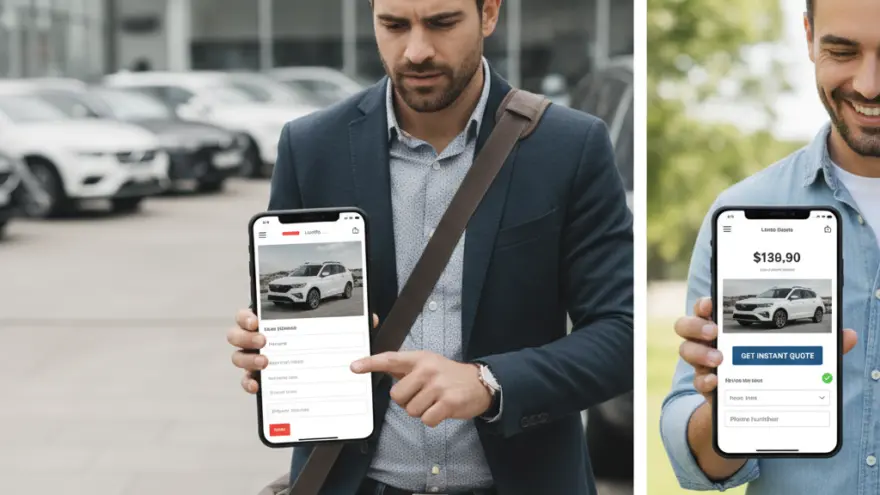
The most common mistake is a page that is too slow. Hidden prices, tiny buttons and long forms hurt just as much. Each of these costs you enquiries while people are on the move.
A second example shows the way. A dealer rebuilt the vehicle page for the phone and shortened the form. Within a few weeks more enquiries came in from the road.
What it costs
The biggest investment is care, not money. A fast, well ordered vehicle page mostly costs a little attention. A direct call button is cheap anyway.
Plan in tiers. Starting with speed and a clear layout is inexpensive. If you want more, you add better image handling or a lean enquiry system for mobile car buyers later.
A look at 2026
Mobile search keeps growing and is changing the first contact. More and more people also ask AI assistants for a fitting car. Those who offer clear, fast content can be found more easily here.
Your own data also grows more valuable. When you win enquiries through your own page, you know your prospects yourself. That stays important no matter how search develops.
When it is worth it
This path is worth it for almost any dealership. The fastest win goes to those with many phone visitors but few enquiries. You make better use of traffic you already have.
How to start
Begin with speed, a clear price and a large enquiry button. Then test every vehicle page yourself on a phone. Even these steps bring more contacts within a few weeks.
Build on it from there. Why your own page matters at all is shown in the article on why your dealership needs its own website. How customers find the right car online is covered in how buyers search for cars online. And how interest turns into a firm appointment is shown in how to turn visitors into showroom visits.
For 2026 the rule is simple. Whoever is fast, clear and honest on a phone wins. That is how you reach mobile car buyers at the very moment they decide.
Sources
- Think with Google, research on mobile search and how phone research connects to in-person car buying.
- Cox Automotive Market Insights, studies on the digital car shopping journey in the United States.
Frequently Asked Questions
Why do mobile car buyers decide before they arrive?
Because they compare on a phone, check prices and read reviews before they drive over. Offer clear photos, a fair price and an easy way to enquire, and you are already in front.
What brings more enquiries fastest on a phone?
Speed, a visible price and a large enquiry button. A fast vehicle page with a clear layout wins the most contacts on the move. These three points are quick to put in place.
How much does load time really matter?
A lot. On a phone patience is short and the network is not always fast. Every extra second lets more visitors leave, so every speed improvement pays off.
How should a vehicle page be built for a phone?
Photo, price and enquiry belong at the top. The key facts follow right below. Long text and rarely used content sit further down so the eye is guided.
Is this worth it for a small dealership?
Especially then. Those with many phone visitors but few enquiries gain the most. You make better use of existing traffic instead of paying for new visitors.
How does a direct call button help?
Many mobile visitors simply want to call for a moment. A tap to dial button removes the hurdle. An open question becomes a conversation at once.
What does a good mobile vehicle page cost?
The biggest investment is care, not money. Speed and a clear layout are inexpensive. If you want more, you add better image handling or a lean enquiry system later.
How do I know if it works?
Measure how many mobile visitors send an enquiry or call. Compare the numbers before and after each change. Simple tools are enough to begin.