Most people who browse your cars online end up buying in person. Yet many visitors leave your website without a word. This quiet gap is exactly where you win or lose showroom visits.
This guide shows how to close that gap. It is about clear paths, real reasons to come, and easy booking. Step by step, you turn quiet clicks into booked showroom visits.
Why the path to your showroom matters
Car buyers research almost everything online today. The decision, though, often happens in person. Dealers who guide the step from page to appointment win more sales.
Here is an example. A family compares three cars on your site at night. If they find an easy way to book, they plan a visit. If they do not, they move to the next dealer.
What drives showroom visits
To turn interest into an appointment, you need three things. A clear reason, an easy path, and a feeling of trust. Miss one, and the visitor stays online.
We will walk through all three now. Each one is simple to set up. Together they bring more booked showroom visits.
A clear reason
Nobody drives over without a reason. A test drive, a trade-in appraisal, or a chat about financing are strong reasons. State them openly on every car page.
A visible next step
The booking button belongs where the visitor is already looking. That means right on the car. The shorter the path, the more showroom visits you earn.
Keep the path to an appointment simple
Every extra step costs you contacts. A long form scares people off. Keep booking as short as possible so a click becomes one of your showroom visits.
Few fields, clear choices
Ask only for what you need. A name, the car, and a preferred time are enough. You sort out the rest in the conversation.
Offer open time slots
Show free times right away. Then nobody waits for a call back. A fixed time turns a vague plan into a real appointment.
Good reasons to come in
Online, people see photos. In person, they experience the car. Make that difference clear, and the trip is worth it for the buyer.
The test drive
A test drive is the strongest reason to come. Offer it actively on every car page. People who have driven a car decide more easily.
The trade-in appraisal
Many buyers have a car to trade in. A fair look at the old car is a great reason. A simple question turns into one of your showroom visits.
Trust before the first visit
People who do not know you yet first check whether they can trust you. Real reviews, clear prices, and good photos build that trust. It often decides the first step.
Show your team and your space too. A face and a familiar place lower the barrier. That makes the first of many showroom visits much easier.
Where to start first
If time is short, first place a clear booking button right on every car. Then offer open time slots and name one good reason to come in. These three steps bring more appointments the fastest.
Which pages bring the most appointments
Not every page works the same. The car page is your main stage. Interest is highest there, so the clearest path to an appointment belongs right there.
The contact page and the home page matter too. People who find a booking option quickly drop off less often. Check each of these pages with a customer’s eyes.
Offer contact in several ways
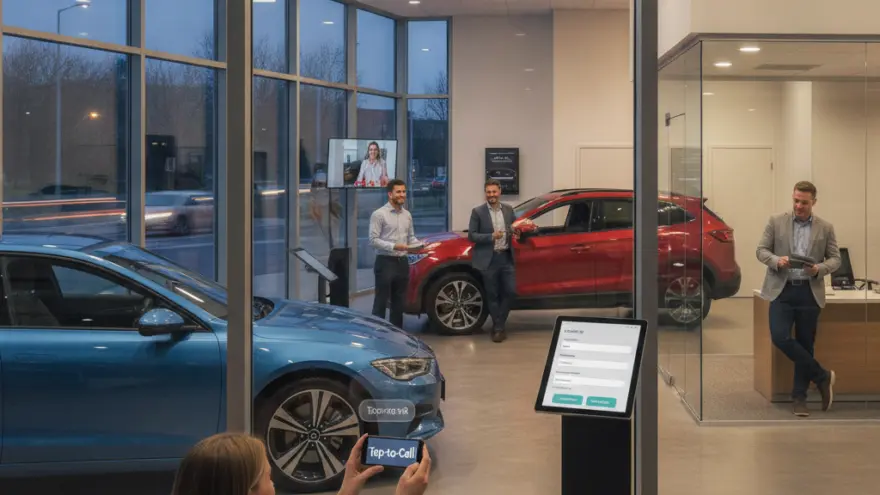
People are different. One person prefers to write, another to call. So offer several easy paths, such as a form, a phone number, and a short message.
A tap-to-call button works especially well on a phone. That way you lose nobody just because one path does not suit them. Every extra path brings new showroom visits.
Show opening hours and directions clearly
Anyone who wants to come needs to know when and where. Show opening hours, the address, and a map in plain sight. It sounds basic, yet it often decides the last step.
Mention parking and the nearest stop as well. Small hints remove the final hurdle. That turns an intention into one of your showroom visits.
Win them over with a short video
A short video of the car creates closeness. It shows more than any photo and builds appetite for the real thing. Many prospects book an appointment after watching.
You do not need a studio. A calm walk-around on a phone is enough. Authenticity works better here than gloss.
Bring the sales team on board
The best path to an appointment helps little if nobody responds. Decide who handles requests and how fast. A clear routine makes sure no request is left lying around.
Brief the team on the booking path. People who know the routine lead the conversation with ease. That turns more contacts into firm appointments.
Stay close after the visit
Not every visit ends in a sale right away. A friendly thank-you after the appointment keeps the door open. A short note with the points you discussed helps the decision along.
Stay patient and close. People who feel well looked after come back or recommend you. That way each of your showroom visits pays off twice.
Remind and follow up
Not everyone books on the first visit to your site. Someone who sends a request but does not show up is not lost. A friendly reminder brings many back.
Confirm every appointment at once. A short message the day before cuts no-shows. That turns a promise into a real visit.
Win on mobile
Most people look on a phone. There, the path to an appointment has to be perfect. Big buttons, short forms, and fast pages are a must.
Test the path yourself on a phone. Book a trial appointment and time it. What feels slow to you feels slow to customers too.
What it costs
The biggest input is attention, not money. A clear button and a short form are cheap. A simple booking tool usually costs little per month.
Think in tiers. The start is cheap and fast. If you want more, you add a calendar link or a reminder system later.
Good photos and honest details
The first impression comes from photos. Clear, bright shots inside and out build trust. A dealer who shows a car honestly attracts serious buyers.
Add the key details openly. Price, mileage, and equipment belong in plain sight. The more complete the page, the more showroom visits you earn.
Plain words, not jargon
Many buyers are not technical experts. Explain what matters in short, simple words. Text people understand lowers the barrier to the next step.
Avoid empty phrases. Say clearly what the customer can expect. People who feel understood are more likely to book.
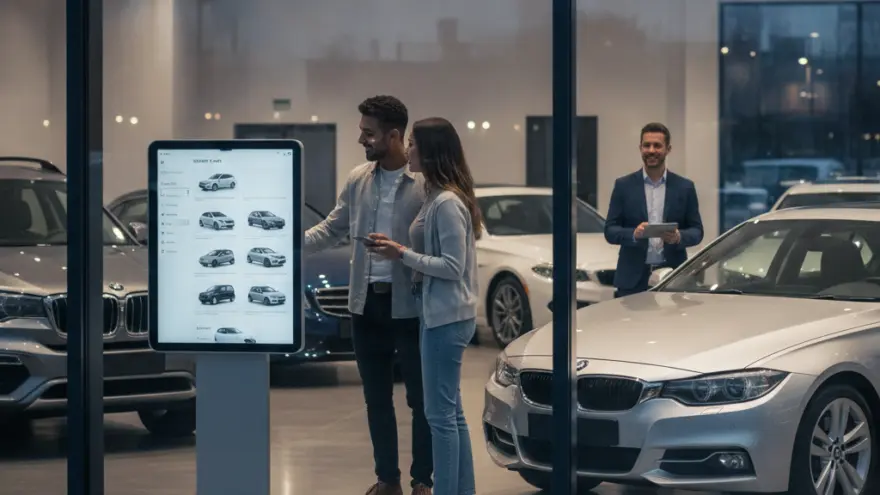
Guide from browsing to a request
Some visitors do not yet know exactly what they want. Help them with a simple search and clear filters. People who quickly find the right car stay longer and ask sooner.
Show similar cars as well. A good suggestion keeps the visitor with you. That turns plain browsing into a real plan for an appointment.
Common mistakes
The most common mistake is a hidden path to booking. Long forms and missing reasons hurt just as much. A late reply costs you the visit as well.
A second example shows the way. One dealer added a clear button to every car and offered open times. Within a few weeks, more people actually came by.
Measure what works
What you measure, you can improve. Look at how many visitors book a time. And how many of them really show up. Those numbers lead to better choices.
Compare the figures before and after each change. That shows what works. Even simple tools are enough to start.
A look toward 2026
More people search with AI assistants now. These often point straight to providers with clear content. A dealer with an easy path to booking may gain an edge here.
First-party data also matters more. When you earn appointments through your own site, you know your prospects yourself. That stays valuable however search evolves.
When it pays off
This works for almost any dealer. The biggest gains go to those with plenty of visitors but few appointments. You simply use what you already have.
How to start cleanly
Begin with the clear booking button on every car. Offer open times and name good reasons to come. That brings the first extra appointments within weeks.
Then build on it. Why your own site matters at all is covered in why your dealership needs its own website. How to turn visitors into buyers is in how to sell cars online. More ways to win enquiries are in how to get more car enquiries.
For 2026 the rule is simple. Make the path from page to appointment easy and you win. That is how quiet interest becomes real showroom visits.
Sources
- Cox Automotive, research on the car buyer journey and the link between online research and in-person visits.
- Think with Google, analyses of digital car shopping and how online search leads to dealership visits.
Frequently Asked Questions
Why do so few online visitors actually come in?
Usually there is no clear path to an appointment. With no visible reason and no easy button, people just look and leave. A clear next step right on the car changes that fast.
What brings more appointments the fastest?
A visible booking button on every car and open time slots to pick from. Then nobody waits for a call back, and a plan becomes a fixed appointment right away.
How many fields should the form have?
As few as possible. A name, the car, and a preferred time are usually enough. Every extra field costs you contacts. You sort out the rest in person.
Does this work for a small dealership?
Especially then. Dealers with plenty of visitors but few appointments gain the most. You use existing traffic better instead of paying for new visitors.
How do I cut down on no-shows?
Confirm every appointment at once and send a short reminder the day before. That lowers no-shows clearly and costs almost nothing.
How important is the mobile view?
Very important. Most people book on a phone. Big buttons, short forms, and fast pages often decide whether an appointment happens at all.
What reasons make people come in?
A test drive, a fair trade-in appraisal, and a personal chat. State these reasons openly, and interest turns into a visit.
How do I know it is working?
Measure how many visitors book and how many show up. Compare the numbers before and after each change. Even simple tools are enough.