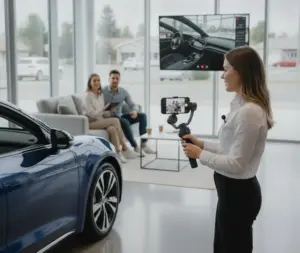
Used car pages are where a sale is quietly won or lost. A buyer has already found a car that looks right, and now they want to know everything about this one. If the page answers their questions, they reach out. If it leaves them guessing, they close the tab and look at the next listing. The detail page is not the end of the journey. It is the moment the buyer decides whether to trust you with an enquiry.
This guide is about building used car pages that move people from looking to buying. It covers what a buyer actually needs to see, how to show the real car, and how to give a price a reason. It looks at being honest about history and condition, and at making the next step impossible to miss. The aim is simple. When a buyer lands on your page, every reasonable question should already have an answer waiting for them.
Why most used car pages lose the buyer
Picture someone who has just clicked on a five year old station wagon. They are interested, which is the hard part already done. Then the page gives them three small photos, a price, and one line of description. No service history, no word on the tires, nothing about why the price is what it is. The buyer is left with more questions than answers. Rather than ring up to ask the basics, most people simply move on to a listing that tells them more.
A thin page does not feel neutral to a buyer. It feels as though something is being held back. When a seller shows little, the natural assumption is that there is a reason. Compare that with a page that shows the car from every angle, states the mileage and history plainly, and explains the price. The fuller page does the trust building for you. The thin one makes the buyer do the work, and most of them will not bother.
What a buyer needs to see before they enquire
A buyer is really asking three questions. What exactly is this car, what state is it in, and why does it cost this much. Good used car pages answer all three without the visitor having to ask. That means the full specification, the real mileage, the number of previous owners, the service record, and any work recently done. It also means the honest detail a careful buyer looks for, such as whether the timing belt has been changed or when the next service is due.
Think of the page as the conversation you would have at the counter, written down once and available at midnight. A buyer comparing two similar hatchbacks will choose the one they understand better. If your page lists the equipment clearly and the other shows a vague photo and a price, you have already won the comparison. On used car pages the detail is not clutter. It is the reason a stranger feels safe enough to send you their phone number.
Give every car a page that answers questions
The ADP Car Market Hub WordPress plugin builds a full detail page for every vehicle on your own website. Photos, specification, history, price and an enquiry form sit together on one fast page that you control. The data comes straight from your stock, so the page is always current. A buyer reads the whole story of the car in one place and contacts you from there, on your domain rather than a rented listing.
Show the real car, not a brochure
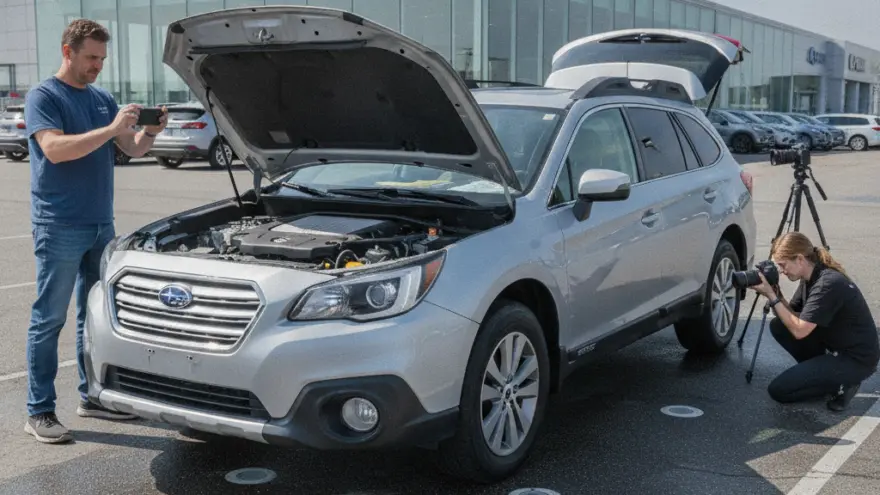
On used car pages, photos do more selling than any paragraph. A used car is a single, specific object, and the buyer wants to see this exact one. That means plenty of clear images from every angle, inside and out, in honest daylight. Show the trunk, the dashboard, the tires, and any mark or scratch a buyer would notice in person. Hiding a small flaw only breaks trust when they arrive. Showing it openly tells them you have nothing to hide.
A short video walkaround goes further still. It lets a buyer hear the engine and see the car move, which a still photo never can. Someone forty minutes away will not drive over on the strength of three pictures. Give them a two minute video and a full gallery, and the trip feels worth making. This is the same idea behind good vehicle photos that sell and a proper video walkaround, brought together on the page itself.
Give the price a reason, not just a number
A price on its own invites suspicion or haggling. A price with a reason invites trust. If a car sits a little above the cheapest example online, say why. New tires, a fresh service, a full history, one careful owner. The buyer is not only comparing numbers. They are weighing what they get for the money, and a short honest note about the price does that weighing for them.
Transparency also saves your team time. When the page explains the price, the enquiries you receive are warmer and better informed. Nobody arrives expecting a different car at a different cost. A buyer who reads that the price includes a twelve month warranty and a recent cambelt change feels the figure is fair. They come in ready to buy rather than ready to argue. Honest pricing on the page is the start of transparent pricing that the whole sale can rest on.
Answer the question before it is asked
Read your own page as a wary buyer. For every claim, ask what they would want to know next. A low price prompts why. A long ownership prompts how it was used. A recent service prompts what was done. Add the answer right there on the page. Each question you settle in advance is one less reason for the buyer to hesitate or to look elsewhere.
Be honest about history and condition
Trust is built on the things a less careful seller leaves out. State the number of owners, the service history, the MOT status, and any accident repair plainly. A buyer who reads a clear, honest account of a car’s life relaxes. They have seen what other listings hide, and the candour itself becomes a reason to choose you. An old scratch described in advance is a non event. The same scratch discovered on arrival can end the sale.
Honesty also protects you after the handover. A buyer who was told about the worn front tires cannot complain about them later. The page becomes a fair record of what was promised. Picture a family buying a seven year old people carrier. They read that it had two owners, a full main dealer history, and a recent clutch. They arrive expecting exactly that car, find it as described, and sign the same day. The page did the difficult part before anyone shook hands.
From real use
A dealership rebuilt its used car pages to answer every common question in advance. Each car got a full gallery, a short video, the complete history, and a plain note explaining the price. The pages lived on the dealership’s own website through the ADP Car Market Hub WordPress plugin, not on a rented listing. Over the following months the enquiries that came in were better informed and closer to a decision. Buyers arrived having already read the full story of the car. Nobody promised a flood of sales, but fewer wasted trips and warmer enquiries followed naturally from pages that simply told the truth.
Make the next step impossible to miss
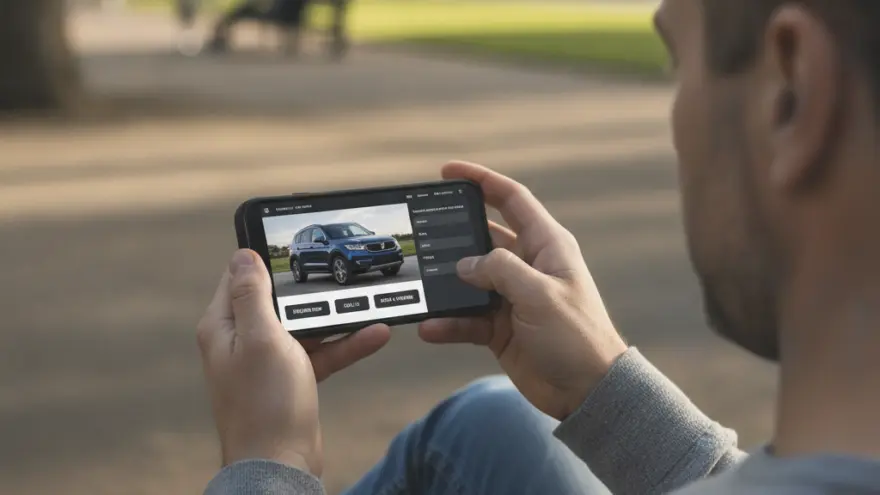
A buyer convinced by the page still needs an easy way to act. The enquiry form, the phone number, and a way to book a viewing should sit right beside the car, not buried on a separate contact page. The moment of interest is short. If acting on it takes effort, the buyer drifts off and the moment passes. Keep the next step in plain sight and make it take seconds.
Match the page to how people browse, which today means a phone. Most used car pages are read on a small screen during a spare ten minutes. If the photos load slowly or the form is fiddly to tap, the buyer leaves before they reach you. Used car pages that load fast, read well on mobile, and put a clear button under the car turn quiet interest into real enquiries. That is the whole job, finished cleanly.
Conclusion
A used car page is your best salesperson, working every hour without a break. The dealers who win the sale are the ones whose used car pages answer questions before they are asked. Show the real car with honest photos and video. Give the price a reason. Be open about history and condition, and make the next step take seconds. The ADP Car Market Hub WordPress plugin lets you build pages like these on your own site, drawn straight from your stock and always current. Start with your most viewed car this week. Fill in every gap a buyer would notice, and let the page do the selling.
Sources
- Think with Google, research on how car buyers research and shop online before contacting a dealer.
- Auto Trader, Market Insight, ongoing studies on used car listings and buyer behavior.
- web.dev, Learn Performance, Google guidance on page speed and mobile experience.
Frequently Asked Questions
What makes a used car page actually convert?
A page converts when it answers a buyer’s real questions before they have to ask. That means clear photos from every angle, the full specification, the mileage and history, an honest reason for the price, and an easy way to enquire. When nothing is left unexplained, the buyer feels safe enough to make contact rather than moving to the next listing.
How many photos should a used car page have?
Enough to show the whole car honestly, usually fifteen to thirty good images. Cover every exterior angle, the interior, the trunk, the dashboard, the tires, and any mark a buyer would notice in person. A short video walkaround on top of the gallery helps a distant buyer decide the trip is worth making.
Should I show damage or scratches on the page?
Yes. An honest photo of a small scratch builds more trust than a flawless looking listing that disappoints on arrival. A flaw described in advance is a non event, while the same flaw discovered in person can end the sale. Openness about condition is one of the strongest selling tools you have.
Why should I explain the price instead of just listing it?
A number on its own invites haggling or suspicion. A short note explaining new tires, a fresh service, or a full history tells the buyer what they get for the money. It produces warmer, better informed enquiries and fewer arguments, because people arrive understanding why the car is priced as it is.
Does it matter where the used car pages live?
It matters a great deal. Pages on your own website, built with the ADP Car Market Hub WordPress plugin, are controlled by you, kept current from your stock, and send the enquiry straight to you. A rented listing on a third party portal works on someone else’s terms and competes with every other dealer on the same screen.
How important is mobile for used car pages?
Very. Most buyers read used car pages on a phone in a spare few minutes. If the images load slowly or the enquiry form is awkward to tap, they leave before they reach you. A page that loads fast and reads well on a small screen captures interest that a slow page loses.
What should the next step on the page be?
The enquiry form, phone number, and a way to book a viewing should sit right beside the car, not on a separate page. The moment of interest is short, so make acting on it take seconds. A clear button directly under the vehicle turns a quiet reader into a real enquiry.