
A used car search begins with a number. On the big listing sites buyers sort by price first, and a listing that shows “price on request” instead of a figure drops out before the conversation even starts. Transparent pricing is therefore not a small detail, it is the first proof of trust your dealership offers. The ADP Car Market Hub WordPress plugin from AD Promotion puts every used car on your own website as a vehicle page with a clear, visible price.
Many dealers know the instinct to hold the price back and keep room to negotiate. This guide explains why transparent pricing brings more enquiries online than a hidden offer, and how to present the price so it convinces buyers instead of scaring them away.
Why buyers skip listings without a clear price
Today a used car purchase starts with a search, and searchers compare the number first. When no price appears, distrust follows at once. The buyer assumes either that the car is too expensive or that an awkward negotiation is waiting. Either way, the next listing gets the click.
A quick example. A buyer looks for a Volkswagen Passat estate and sorts the results by price. An offer with no figure does not sort cleanly and falls out of view. The well kept car loses not because of its condition, but because the missing number makes it invisible. Transparent pricing prevents exactly that loss, because the car reaches the comparison in the first place.
Dealers often see this in their own stats. Cars with no price get fewer clicks. They rarely make the buyer’s shortlist. The car is there, but no one really looks. An open price turns that around, because it earns the first click.
How transparent pricing builds trust before contact
A clearly stated price tells the buyer more than any slogan. It signals that the dealer hides nothing and stands behind the offer. That signal works before a single word is exchanged.
There is also self selection. A buyer who sees the price and still enquires has already accepted the budget. You receive fewer, but more serious enquiries, instead of many calls that fail at the number. A dealer who shows prices openly has a different phone conversation, one about the car rather than about what it should cost at all.
That trust spreads to the whole business. A dealer who is open about price seems honest about condition too. The buyer reads a clear price as a sign of clean dealing. So the relationship starts with a plus, not an open question.
How to set the price with confidence
Before you show a price openly, you should be able to justify it. The ADP Car Market Hub WordPress plugin places every vehicle in its market and shows where your offer sits against comparable cars. That way you set transparent pricing that matches the market and approach each enquiry without doubt. The price then rests on a clear basis instead of a guess.

Why hidden prices disappear from search and filters
Buyers narrow a search by a price range, say from 15000 to 20000. A vehicle with no stored price drops out of every one of those ranges and never appears at the decisive moment. Visibility depends directly on the figure.
Google benefits from a clear number too. A real vehicle page with a marked price gives the search engine a precise answer about model, condition and cost. Transparent pricing makes your offer findable where the buyer is already looking. For the wider picture of selling from your own site, read here how to sell cars online.
Most of these searches now happen on a phone. The buyer sets a price band with a few taps. Then he scans the results in seconds. A car with no figure drops out of that quick view. A stored price keeps your vehicle in the running.
How to justify the price so it feels fair
A number on its own convinces only when the buyer understands how it was reached. Without context, even a fair market price can look arbitrary. So a short justification belongs next to every price.
Show condition, mileage, service history, equipment and any recent investment such as new tyres or a completed service. An example. When the price of an Audi A4 is shown next to a note that the timing belt and brakes were recently renewed, the buyer accepts a higher figure without complaint. Transparent pricing and an honest reason belong together, because context is what makes the price fair.
A short note about similar cars helps too. You can add that this model with this trim rarely sells for less. The buyer places the figure at once. He sees that you know the market. That removes the ground for an unrealistic offer later.
Put the reason next to the price
Add one short line to every price that explains the value, such as “price includes a fresh inspection and new brakes”. You answer the buyer’s most important question before it is asked, and you take the tension out of the negotiation from the start.
Why an honest total price beats a teaser figure
A low entry price that grows later through fees destroys the very trust that transparent pricing is meant to build. The buyer notices the surcharge at the appointment and feels misled.
An open total price is better, one that visibly includes delivery, preparation or a warranty. A dealer who also shows the financing right on the vehicle page removes the buyer’s last doubt about the monthly rate. To show financing next to the car, read here how to present financing options on the car page.
A failed appointment wastes time on both sides. The buyer drives over, hears about the surcharge and leaves annoyed. Such moments quickly end up in a review. An honest total price prevents that letdown and protects your name.
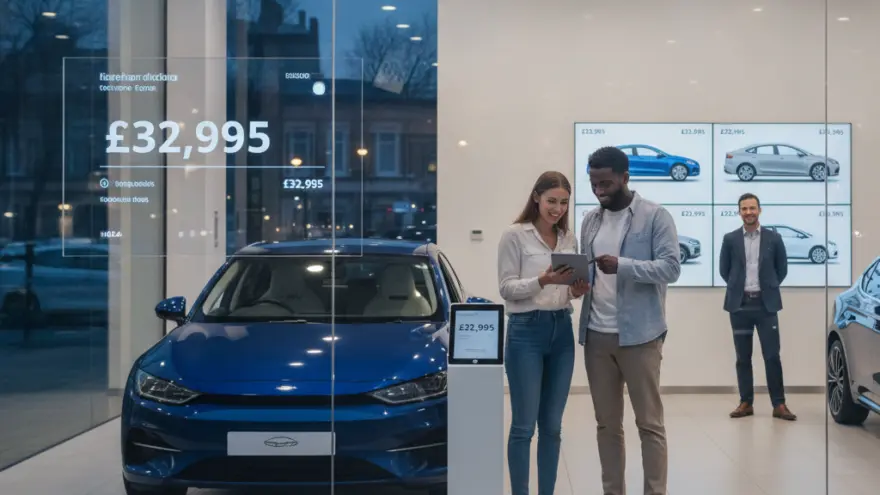
How the plugin keeps transparent pricing reliable
For the price to stay consistent and current everywhere, you need one source instead of many manual entries. The ADP Car Market Hub WordPress plugin reads your vehicle data and builds pages of your own where the price stands firm and clear. When the figure changes, it changes in one place, not five.
The result is a dependable presence where every car appears with the same open price on which the enquiry lands. That lays the ground for the trust a fair price needs. To build that trust before the visit, read here how to build online trust before the test drive.
The second gain is fewer errors. Keep the price by hand across many channels, and an old figure soon slips through. If Google shows a different price than your site, trust is gone. One source keeps your site, search and ads in step.
From real use
One dealership showed its used cars with “price on request” for a long time and received many vague enquiries that rarely closed. After it put its stock online with the ADP Car Market Hub WordPress plugin as vehicle pages with a clearly visible price, the enquiries grew noticeably more focused, coming from buyers who had already accepted the budget. The plugin made the difference, because only the open, Google findable prices reached the right people. This is not a promise, yet the lever is clearly visible.
Conclusion
Transparent pricing online is not a risk, it is an advantage. A dealer who shows the price openly and explains it briefly wins the buyer’s trust before the first conversation and filters the serious enquiries at the same time. A hidden offer, by contrast, loses the buyer already in the search. The ADP Car Market Hub WordPress plugin from AD Promotion puts every car on your domain as its own vehicle page with a clear price, makes it findable on Google and keeps the figure current everywhere. The price turns from a delicate subject into your dealership’s strongest sales argument.
Sources
- AutoScout24, European vehicle marketplace with search and price filters.
- CarGurus, used car marketplace with price ratings and market analysis.
- Google Search Central, structured data for products and prices.
- Think with Google, research on car buyer behaviour and online research.
Frequently Asked Questions
Should I really show the price openly or keep room to negotiate?
Show the price openly. A hidden price costs you exactly the buyers who filter and sort by budget. You still keep room to negotiate, because most buyers expect a little movement on site anyway.
What does 'price on request' do to my visibility?
A vehicle with no stored price drops out of the buyers’ price filters and does not sort cleanly when results are ordered by price. You lose visibility in the very place where most people narrow their search.
How do I justify a higher price without scaring buyers off?
Put the reason next to the price. Name condition, service history, equipment and recent investment such as new tyres or brakes. When the buyer understands what the figure covers, a higher price is much easier to accept.
Does transparent pricing weaken my negotiating position?
No. An openly stated price filters out the wrong enquiries before you spend time on them. A buyer who contacts you despite seeing the price has already accepted the budget and negotiates more seriously.
How does the plugin keep prices current everywhere?
The ADP Car Market Hub WordPress plugin reads your vehicle data from one source and builds pages of your own. When a price changes, you update it in one place instead of five, so no outdated figure is left standing.
Should I show extra costs like delivery right away?
Yes. An open total price that visibly includes delivery, preparation or a warranty prevents disappointment at the appointment. A teaser price that grows later destroys the trust you are trying to build.
Does a clear price make my car more visible on Google?
A real vehicle page with a marked price gives Google a precise answer about model, condition and cost. That improves the chance that your car appears as a direct result for a specific search.