Most people who look at a car are not buying it this week. They compare, they save, and they wait for the right moment. That moment may be three months away. If you only speak to a buyer on the day they fill in a form, you reach them far too early. Then you never reach them again. The way to bridge that gap is to stay in touch. Do it quietly and usefully, until the day they are ready. A short, honest email every few weeks beats any single phone call for a patient buyer.
This guide is about email that earns its place in the inbox. It looks at why most enquiries are not ready to buy. It shows how to build a list the honest way. It covers what to send so the message gets opened, and how often to write. The aim is simple. When the buyer finally decides, your dealership is the name they already trust.
Why most car enquiries are not ready to buy today
A test drive request is not a purchase order. Someone asks about a used station wagon in March. They may be planning around a lease that ends in summer. Perhaps a tax refund, or a baby due in autumn. The interest is genuine. The timing, though, belongs to them. Treat every enquiry as a hot lead that must close this week, and you wear out your team. You also irritate the patient majority who are simply not there yet.
Most dealers underestimate how long the journey takes. People research for weeks. They return to the same listings, then disappear for a month. If your only contact is the first reply, you vanish from their thinking. By the time they are ready, you are long forgotten. A buyer who asked about a family SUV in spring might decide in September. The dealership that sent one helpful note each month is the one they call.
Why it pays to stay in touch instead of waiting
Waiting is the default, and it is quietly expensive. The buyer who drifts away never announces it. They simply find another dealership that stayed visible. To stay in touch is to keep a low, friendly presence in the inbox. Then you are the obvious choice when the decision lands. It costs almost nothing. And it compounds month after month.
The channel matters as much as the habit. An email list is something you own. A follower count sits on a network that can change its rules overnight. A paid slot on a listing portal is rented by the month. When you stay in touch through your own list, the relationship stays yours. This is the logic behind owning your customer data instead of renting it. It is why a healthy email list slowly becomes one of a dealership’s most valuable assets.
Turn a visitor into a contact you can email
The ADP Car Market Hub WordPress plugin captures enquiries and contact details on your own website. Every interested buyer becomes a name on a list you control. It is not a lead rented from a portal. From there you stay in touch on your own terms. Consent is recorded, and the data stays on your own domain. The buyers you reach months later were earned once. They remain reachable for as long as they want to hear from you.

Build your email list the honest way
A good list is built on permission. It is never built on bought addresses or quietly harvested ones. The right moment to ask is when the buyer already wants something. A brochure, a price alert, or a heads-up when a similar car arrives. Give a clear reason to subscribe. Say plainly what you will send and how often. An honest checkbox beats a pre-ticked trap that only breeds complaints.
Consent is also the law, not a nicety. Under the GDPR, a buyer must actively agree before you send marketing email. You must also be able to show when and how they agreed. Picture a visitor who wants to know about diesel vans. As soon as the next one under a set price arrives, they get a note. They tick the box themselves, and you record the date. Now you have a willing reader, not a stranger waiting to mark you as spam. Winning online leads and turning them into subscribers is the same motion, done once and done cleanly.
Send email people actually want to open
The fastest way to be ignored is to send a sales pitch every time. An email that earns its place gives the reader something first. A short note on what a service costs at this mileage works well. So does a guide to reading a used car history. So does a list of three station wagons under a given budget. The car you want to sell comes up naturally. It sits inside something useful.
Write the way you would speak at the counter. One clear idea, a friendly tone, and a single obvious next step. The subject line should tell the truth about what is inside. Avoid the shouting capitals and false deadlines. That mail goes straight to the junk folder. A reader who learns from you twice will open the third email without thinking. That is the moment a quiet relationship turns into an enquiry.
Lead with something useful, not a pitch
Before you write, ask what the reader gains from opening this email. Assume they never buy from you. A maintenance tip, an honest price guide, or a heads-up about a fitting car all earn the open. Put the helpful part first. Let the offer follow quietly behind it. Mail that gives before it asks is the mail that keeps getting opened.
Find a rhythm that keeps you welcome
Frequency is where good intentions go wrong in both directions. Go quiet for six months and you are forgotten. Send something every other day and you become noise. The reader simply filters you out. A calm rhythm works better. One genuinely useful email every two to four weeks lets you stay in touch. It does so without wearing out your welcome. Let the buyer set the pace where you can. Give a clear way to hear from you less, rather than not at all.
Match the message to where the buyer stands. Someone who has just enquired needs a warm, prompt reply. That is the work of fast replies on the first contact. Someone who subscribed months ago needs a slower beat. They want the steady drumbeat of helpful notes. The two are different jobs. Confuse them, and you either smother a fresh lead or bore a patient one.
From real use
A dealership began sending one short, useful email a month. It went to everyone who had ever enquired and agreed to hear from them. The list lived inside the ADP Car Market Hub WordPress plugin, not on a portal. Nothing flashy, just a fair price note and a few fresh arrivals. Over a season, buyers who had gone quiet started replying and booking viewings. The dealership was still the name in their inbox when the moment came. Nobody promised a flood of sales. The steady, welcome contact simply brought patient buyers back.
Respect the inbox and keep the list clean
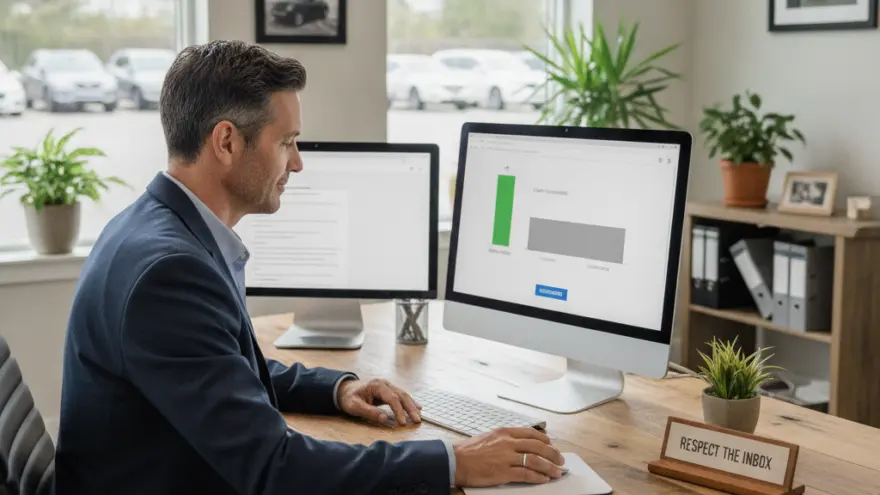
A list is only worth having if people are glad to be on it. Put a one click unsubscribe in every email. Treat each departure as useful information, not a loss. A reader who opts out was never going to buy from a message they resented. A clean list of willing readers always beats a bloated one. The bloated list is full of people who stopped caring long ago.
Mind the rules and the reputation that comes with them. Honor every unsubscribe promptly. Never email people who did not agree. Keep your records straight, because data protection authorities take unwanted email seriously. Mail only the people who want it. Then your messages keep landing in the inbox instead of the spam folder. Respect, in the end, is what lets you stay in touch at all.
Conclusion
Most buyers are not ready the day they first find you. That is perfectly normal. The dealership that wins the sale is usually the one that stayed gently present. It kept a light presence until the timing was right. Build a permission based list. Send email that helps before it sells. Keep a calm rhythm, and respect the inbox. The ADP Car Market Hub WordPress plugin helps you capture those contacts on your own site and keep them. The relationship stays yours to nurture. Start with one honest, useful email this month, stay in touch, and let the habit bring the patient buyers back.
Sources
- GDPR.eu, plain language guidance on consent and direct marketing email under the General Data Protection Regulation.
- Litmus, State of Email, ongoing research on how people read and engage with email.
- Data and Marketing Association, industry benchmarks and best practice for permission based email.
Frequently Asked Questions
Why are most car enquiries not ready to buy right away?
Because an enquiry is interest, not a decision. People research for weeks, wait for a lease to end, a refund, or the right season, then act when their own timing is right. The job is not to force a sale this week but to stay in touch until the buyer is genuinely ready.
Why use email instead of just calling back?
A call suits a buyer who is ready now, but most are not. Email lets you keep a light, helpful presence over weeks or months without pressure. It is also a channel you own, unlike a portal slot you rent or a social account whose rules can change overnight.
How do I build an email list the right way?
Ask for permission at a moment the buyer already wants something, such as a price alert or a brochure. Use an honest checkbox, never a pre-ticked one, and say what you will send and how often. Record when and how each person agreed, because under the GDPR you must be able to show valid consent.
What should I actually send?
Send something useful before you ask for anything. A maintenance cost guide, how to read a used car history, or a short note on fresh arrivals that fit a buyer’s search all earn the open. Let the car you want to sell appear naturally inside content that helps the reader.
How often should I email buyers?
Often enough to be remembered, rarely enough to stay welcome. For most dealerships one genuinely useful email every two to four weeks works well. Give people a clear way to hear from you less rather than leave entirely, and match the rhythm to whether the lead is fresh or long term.
What about unsubscribes and the law?
Put a one click unsubscribe in every email and honor it promptly. Only email people who agreed, keep clean records, and respect the rules your data protection authority sets. A smaller list of willing readers always beats a large one full of people who resent your mail and report it as spam.
How does the plugin help me stay in touch?
The ADP Car Market Hub WordPress plugin captures enquiries and contact details on your own website and keeps them on your own domain with consent recorded. That gives you a list you control rather than leads rented from a portal, so you can keep contact on your own terms for as long as buyers want to hear from you.