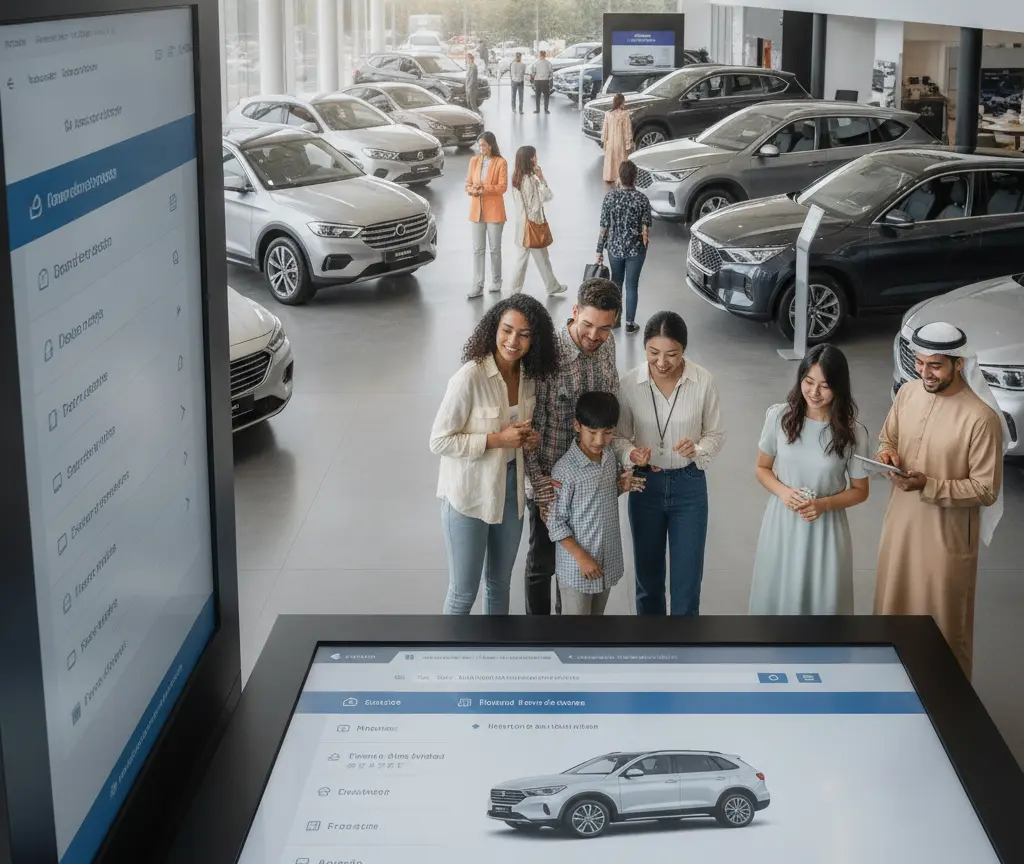
A car sells in any language. A website that speaks only one does not. Someone who can read only half your listing will not call to ask for a translation. They simply move on to a dealer whose pages make sense to them. A multilanguage website widens the group of people who understand what you sell. In many regions that group is far larger than one language reaches. The car has not changed. Only the number of people who feel spoken to has.
This article shows where those extra buyers come from. It covers what a multilanguage website needs beyond a translated menu. It looks at how language shapes trust and search. And it explains how to offer several languages without running several sites. The goal is simple. When a buyer lands on a car, the page should meet them in the language they think in. Then nothing stands between interest and an enquiry.
Why one language quietly shrinks your market
Most dealers build their website in one language, usually the main local one, and assume that covers the market. In many places it does not. Border regions, tourist areas and big cities hold large international communities. These are people who buy cars and read best in another tongue. A buyer who understands only part of your listing fills the gaps with doubt. They cannot tell what the price includes. They cannot read the service history. They do not know who to contact. So they leave.
Picture a clean wagon, priced well and photographed properly. It sits on a site the visitor can only half read. The specification is a wall of unfamiliar words. The form labels mean nothing to them. That visitor was ready to buy. The language barrier did the work a rival never had to do. A page they could read end to end would have kept them. The lost sale was never about the car itself.
Where a multilanguage website finds extra buyers
The extra buyers are not hypothetical. In multilingual countries, a different language sits a short drive away. Cross-border shoppers compare prices across a frontier. They buy where the deal and the paperwork feel clear. Residents from abroad keep reading in their first language for years, and so do students and staff on assignment. Each of these groups buys cars. Each quietly skips a dealer they cannot follow. A multilanguage website is how you reach them.
Think of a family that moved for work. At home they still search in English. They find two similar hatchbacks nearby. One dealer’s page reads top to bottom for them, the other does not. They enquire at the first without a second thought. You were never in the running for that second sale. You never even saw it slip away. A multilanguage website keeps you in that running.
Show your inventory in every language your buyers read
The ADP Car Market Hub WordPress Plugin shows your whole inventory as pages on your own website. Those pages follow your site’s language setup, not a rented listing’s. The vehicle data comes straight from your stock. So every car stays current while the page around it speaks the visitor’s language. Buyers read the whole car in a language they trust, on your domain, and enquire from there.
What multilingual reach means on a vehicle page
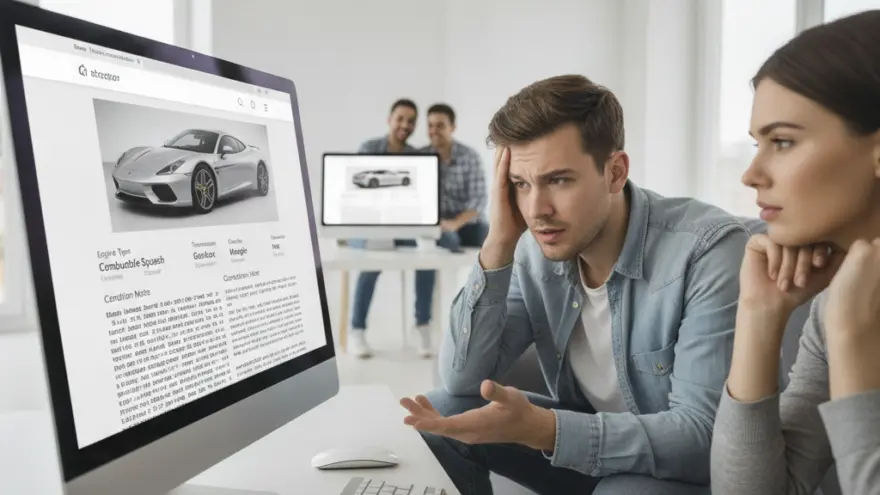
Translating the menu and the home page is the easy part. On its own it disappoints. The buyer clicks into a car. Then the words that matter most snap back to a foreign language. The specification, the condition notes, the reason for the price. Real reach goes all the way to the vehicle page. The labels, the descriptions, the history and the form all need the buyer’s language. That is the page where the decision is made.
There is a difference between machine-translated blur and a page written to be read. Car terms are specific. A clumsy rendering of fuel type or transmission confuses more than it helps. Aim for clean, correct wording in every language you offer. Fewer languages done well beat many done badly. A buyer forgives a site that offers only their second language clearly. They do not forgive one that mangles their first. A good multilanguage website respects both.
Language and the trust to enquire
People enquire in the language they think in. Asking for a careful message about money in a foreign tongue is friction. Small frictions lose sales. Put the page, the labels and the form in the buyer’s language. Now sending an enquiry feels natural, not like an exam. The same buyer who would have hesitated simply types and sends.
Trust works the same way. A dealer who speaks the buyer’s language reads as established and serious. It is not a place the buyer must meet halfway. That impression forms before a word is exchanged with a person. The page itself builds it. And it tilts the buyer toward you, not the readable rival down the road.
From real use
A dealer served a region with two language communities, but its attractive site ran in only one of them. The dealer moved the inventory onto the ADP Car Market Hub WordPress Plugin. Each car then appeared on a site set up for both languages. The vehicle pages became readable to buyers who had quietly been skipping them. Over the following months, enquiries arrived from the second language group that the old site had never reached. Search traffic in that language began to show on the dealer’s own pages instead of a rented portal. No flood was promised. But a part of the market that had been invisible started to make contact.
Being found in every language you sell in
People search in their own language. They use their own words for the same car. The terms in one language are not a literal translation of another. So a site in one language is invisible to searches in the others. A multilanguage website gives search engines real pages for each of those searches. They sit on your own domain. You keep both the visitor and the data.
This is the independence behind dealership SEO and local search, now spread across languages. A buyer in a neighboring region searches in their own words. They find your car on your site, not a portal listing ringed by your rivals. Each language you publish well is another doorway into your inventory. You own that doorway. You do not rent it.
Start with the language of your second-biggest buyer group
You do not need every language at once. Look at where your enquiries and your local population already point. Pick the one extra language that reaches the most buyers. Do it properly before adding another. Translate the vehicle pages and the form first, not just the home page. That is where the sale is won. One language done cleanly beats four done by a machine.

Run several languages without doubling the work
The worry is workload. Dealers picture two or three separate websites. Each one needs its own update when a car arrives or sells. That fear keeps useful languages off the site. It does not have to. The inventory should live in one place. From there it appears in every language. Add a car once, and every language version updates.
The cars come from a single stock, and the site presents them in each language. So the only extra work is translating the fixed parts once. The labels, the standing text, the form. A new arrival then flows into every language with no retyping. That is the difference between a multilanguage website that survives a busy month and a good intention gone stale by week two. The same approach that keeps your dealership website current carries the languages too.
Conclusion
A site in one language hands part of your market to whoever speaks the rest. The buyers are there. In the next region. In the international community. In the family still searching in their first language. A readable page is all it takes to stay in their running. Translate the vehicle pages, not just the menu, and keep every language clean. The ADP Car Market Hub WordPress Plugin lets you present one inventory across several languages on your own site, current and under your control. A multilanguage website is within reach this month. Pick the language that reaches the most missed buyers and start there.
Sources
- CSA Research, the ‘Can’t Read, Won’t Buy’ studies on how language preference shapes online buying decisions.
- Eurostat, data on foreign-language knowledge and resident populations across Europe.
- Think with Google, research on how car buyers research online before contacting a dealer.
Frequently Asked Questions
What is a multilanguage website for a dealership?
It is a website where buyers can read your inventory in more than one language, not just the menu but the vehicle pages themselves, including the specification, the condition notes, the price explanation, and the enquiry form. The aim is that a visitor can understand a car and make contact entirely in the language they are most comfortable with, without ever switching to a tongue they only half follow.
Is it enough to translate just the home page and the menu?
No. The menu and home page are the easy part, but the decision is made on the vehicle page. If the specification and the enquiry form snap back to another language the moment a buyer clicks into a car, the translation has stopped exactly where it mattered most. Translate the vehicle pages and the form first, then work outward.
Should I use automatic translation for car listings?
Use it with care. Car terms are specific, and a clumsy automatic rendering of fuel type, transmission, or condition can confuse a buyer more than it helps. It is better to offer fewer languages written cleanly than many produced by a machine. A buyer forgives a site that offers only their second language clearly, but not one that mangles their first.
How many languages should I add?
Start with one. Look at where your enquiries and your local population already point, pick the single extra language that reaches the most buyers, and do it properly before adding another. One extra language done well usually returns more than three done poorly, and it keeps the workload realistic while you learn what your market responds to.
Will a multilingual site help me appear in search?
Yes, because people search in their own language and use their own words for the same car. A site that exists in only one language cannot appear for searches made in the others. Publishing clean pages in each language gives search engines real pages to show, on your own domain, where you keep both the visitor and the lead rather than handing them to a portal.
Does running several languages mean maintaining several websites?
It should not. When your inventory lives in one place and the site presents it in each language from there, adding a car updates every language version at once. The only repeated work is translating the fixed parts, the labels and standing text, once. A new arrival then flows into every language without retyping.
How does the ADP Car Market Hub WordPress Plugin help here?
The plugin presents your full inventory as pages on your own website, following your site’s language setup rather than a rented listing’s. The vehicle data comes straight from your stock, so each car stays current in every language. Buyers read the whole car in a language they trust, on your domain, and send their enquiry from there.