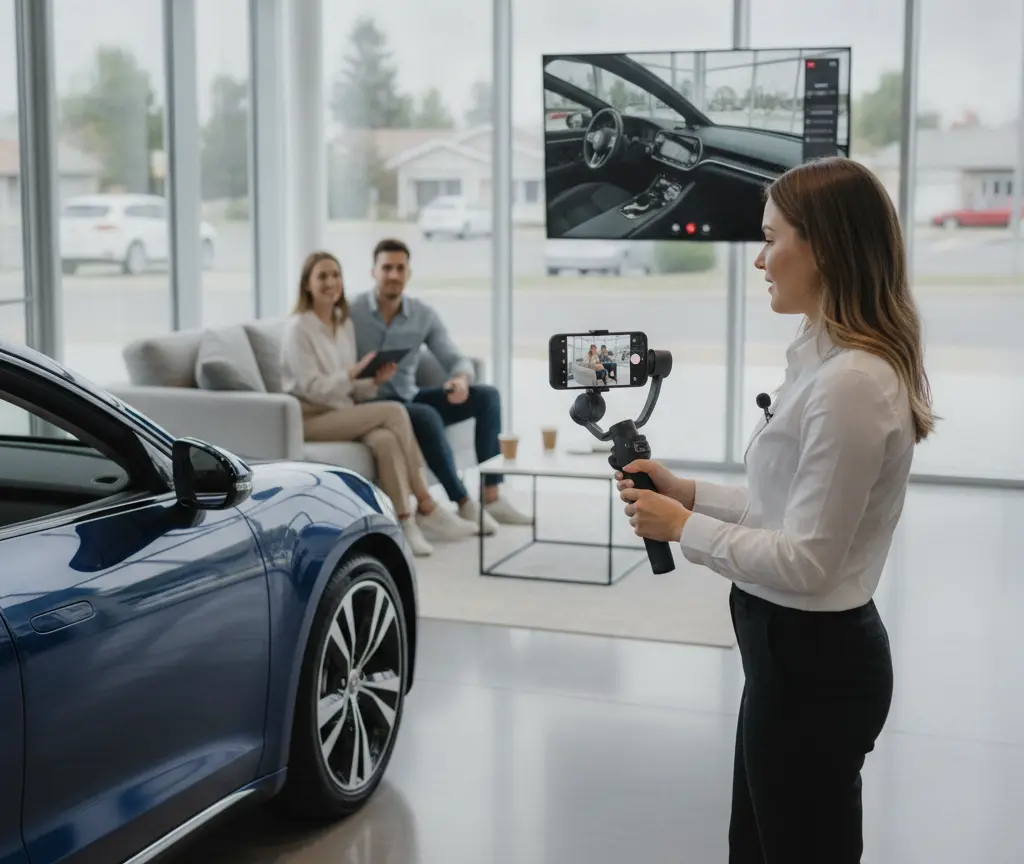
The longest distance in used car sales is often the buyer’s first drive to the lot. A well made video walkaround removes exactly that hurdle, because the shopper sees the car up close and in motion from home. The ADP Car Market Hub WordPress plugin from AD Promotion places that video right on the vehicle page, where price, photos and the contact button sit together.
Many dealers know the pattern. A prospect calls, asks about the car and promises a visit that never happens. This guide shows why a moving vehicle video often replaces the first viewing, and how it makes more of every enquiry on your own website.
Why the first visit to the lot is the biggest hurdle
Between the click on a listing and the test drive lies a trip the buyer has to make first. Someone driving thirty or forty miles wants to be sure the trip is worth it. Without that confidence, the visit slips or never happens at all.
An everyday example. A family from the next county likes a Honda CR-V, but the photos leave open how the cabin really looks and whether the trunk fits the stroller. Rather than two uncertain drives on two Saturdays, they wait. A video walkaround clears up that doubt, because it answers the open questions before anyone gets in the car.
When that reassurance is missing, the dealership often loses the prospect to a competitor who already answered the question online. The car was never the weaker one. The missing first answer simply cost the contact.
What a video walkaround shows that photos cannot
A photo captures a moment, a video shows the whole picture. The camera circles the car once, holds on the wheels, opens the door and pans across the seats. That builds a sense of size, condition and finish that twenty stills can barely convey.
Then there is sound. The brief start of the engine, the solid thud of the door, a look at the odometer with the real mileage. When the seller openly shows a small scratch in the video walkaround, it reads not as a flaw but as proof of honesty. Strong stills still matter, as you see in how to create vehicle photos that sell, yet the moving image goes a step further.
It is the small things that convince. The tread on the tires, a clean cold start, the wear on the seat bolsters. Seeing that in motion, the buyer stops guessing and plans the drive with a clear picture in mind.
How this looks on the vehicle page
This is exactly where the ADP Car Market Hub WordPress plugin comes in. It places the video walkaround right on each vehicle page, next to price, photos and the contact button. The shopper sees the car in motion, gets an honest impression and finds the way to an enquiry in the same step. So the video leads to your dealership, not to someone else’s channel.
Why the video walkaround belongs on your own vehicle page
Many dealers upload their vehicle video only to a social network or a listing site. There it gathers views, but the buyer stays in someone else’s space, where the next offer is already waiting. The attention the video creates then flows to a marketplace, not to the business.
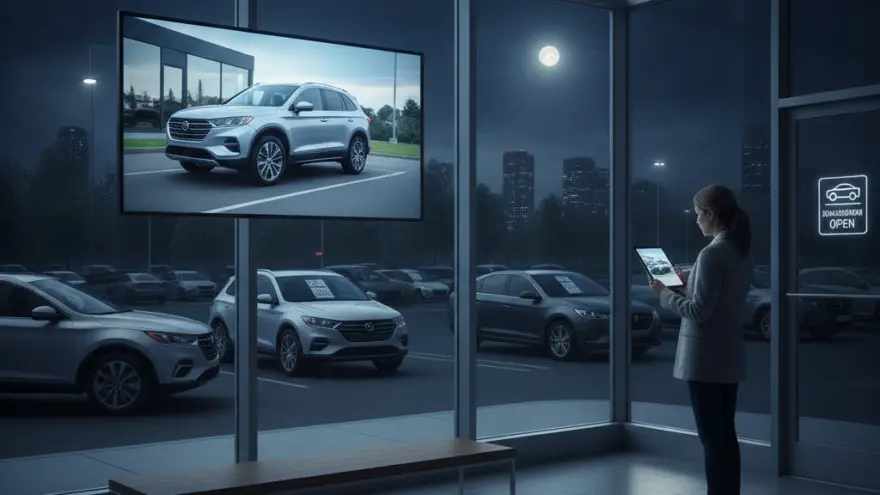
Put the video walkaround on your own vehicle page instead, and every second of attention works for your own domain. Google picks up the page and its video as content of your own, the visitor stays longer and the enquiry is one click away. See here how an online showroom open around the clock welcomes prospects long after the lot has closed.
Add structured data and Google may even show the video as a preview in the results. The vehicle page then ranks for the specific model, and the click leads straight to you rather than to a general overview.
How an honest walkaround builds trust and pre-qualifies enquiries
A video walkaround does not only sell the car, it also filters the enquiries. Someone who has watched the car calmly and still gets in touch is serious. Instead of many loose enquiries, the business receives fewer but clearly better ones.
An example. A dealer in the Midwest added a short video to every used car, showing condition and equipment openly. The number of visits fell, yet almost everyone who came went on to buy. Trust forms before the test drive begins, much as you build trust online before the first test drive.
Appointments also grow more reliable. Fewer prospects show up unannounced or cancel at the last minute, because they already knew the car. That saves the sales team time for serious conversations.
Show one small flaw openly in the video
Point the camera deliberately at a sign of use, such as a stone chip or a scratch on the bumper. It costs no sale and builds credibility instead. The buyer then knows the rest of the car was shown just as honestly, and arrives at the test drive with realistic expectations.
How to film a good video walkaround without a crew
A convincing vehicle video needs no studio. A current smartphone, calm light in the showroom and a steady hand are enough. What matters is a clear order, so the buyer can follow the walkaround.
A fixed sequence works well. First a calm lap around the car, then a look at wheels and tires, next the cabin, trunk and odometer, and finally a brief engine start. Keep the video under two minutes and talk as if the customer stood beside you. One example of a line in the video. Here you see the full trunk with the original mat and the tool kit. That keeps the video walkaround close to a real viewing.
A second short clip in daylight outside the door helps, so the paint color reads true. A clear still image as a thumbnail rounds it off and invites the click to play.
What the video walkaround contributes to the enquiry, measurably
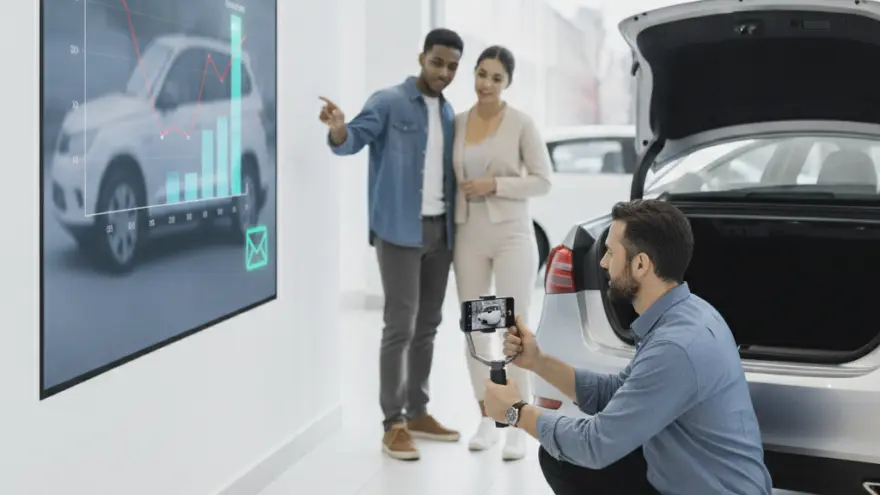
On your own page you can see exactly how the video performs. The statistics show how long visitors watch, where they drop off and whether they then open the contact form. Those numbers are missing when the video sits only on a foreign marketplace.
An example. If you see many prospects lingering on the view of the trunk, a more detailed shot pays off there. If attention drifts early, trim the opening. That turns every video walkaround, step by step, into a tool that brings enquiries instead of merely counting views.
Over time you even learn which kind of video performs better. A calm walkaround or a short driving shot, a clip with or without spoken commentary. Each new recording then improves on solid ground.
From real use
A dealership put every car online with a short video walkaround, embedded through the ADP Car Market Hub WordPress plugin. Where many enquiries used to end without a visit, fewer but more serious prospects now came in, already familiar with the car. The plugin made the difference, because only the own pages indexed by Google made the videos findable and led the buyer straight to contact. It is no promise for every business, but the lever is clearly there.
Conclusion
A video walkaround replaces the first viewing not out of convenience, but because it answers the buyer’s most important question early. It shows the car honestly, in motion and with sound, and so removes the uncertainty before the long drive. When the video sits on your own vehicle page rather than a foreign marketplace, the attention stays in the house and becomes measurable. The ADP Car Market Hub WordPress plugin from AD Promotion places every video exactly where price, photos and contact meet. A fleeting view turns into a pre-qualified enquiry, and the first real visit is usually the test drive itself. What matters is that the video stays honest and delivers what it shows, because only then does the saved first visit become a satisfied sale.
Sources
- Cars.com, US marketplace for new and used cars.
- Autotrader, large US used car marketplace and dealer tools.
- Google Search Central, video best practices for Google Search.
Frequently Asked Questions
Does a video walkaround replace the test drive?
No, it mainly replaces the first viewing. The buyer settles condition, size and equipment online and comes in for the test drive only when the car truly fits. Both sides save needless trips without giving up the personal drive.
How long should a video walkaround be?
Sixty to a hundred and twenty seconds is usually enough. That covers the exterior, the cabin, the trunk and a brief engine start. Run much longer and many viewers drop off before the end.
Do I need expensive gear for a vehicle video?
No. A current smartphone, calm light and a steady hand are enough. A clear order and an honest commentary on the car matter more than the camera.
Why not just upload the video to a listing site?
There it gathers views, but the buyer stays in someone else’s space full of alternatives. On your own vehicle page the attention works for your domain and leads straight to the enquiry.
Does showing a small flaw openly hurt the sale?
On the contrary. Showing a sign of use openly looks credible. The buyer arrives with realistic expectations and is less often disappointed on site.
How does the plugin embed the video?
The ADP Car Market Hub WordPress plugin places the video right on the vehicle page, next to price, photos and contact. You manage it in the backend like the rest of the vehicle data.
Can I measure whether the video works?
Yes. On your own page you see how long visitors watch, where they drop off and whether they then get in touch. Those figures help you make the next videos better.