A car buyer decides in seconds. He quickly senses whether a dealership feels trustworthy. This happens long before anyone reads a spec sheet. By then, the first impression your website makes has already shaped that view. A page may load slowly, show blurry photos or hide the price. Each of those quietly tells the visitor to look elsewhere.
This article looks at what forms that early judgment. It also shows how a dealership can control it. The goal is not a prettier homepage. The goal is a vehicle page that earns the next click. That way the enquiry stays with you, instead of drifting back to a crowded marketplace.
Why buyers judge your dealership in seconds
Attention online is short. A buyer opens a listing from a search result. A first impression forms before any conscious reading. Within the opening moments, the visitor already senses something. The page feels either professional or improvised. That first impression colors everything that follows.
This matters because the same car sits with several dealers. A buyer who feels uneasy simply returns to the results. Then he opens the next one. Picture a family looking for a used Volkswagen Passat. They open three dealer pages in separate tabs. They glance at each and stay on the clearest. The other two never get a fair reading.
The first impression forms before the first photo
The earliest part of any impression is simple. Does the page appear at all? A vehicle page may take several seconds to load. That tests patience before a single photo is seen. Most people will not wait. The majority of car searches now happen on a phone. There, a slow layout quickly reads as carelessness.
Mobile behavior is unforgiving. The buyer stands on the lot or sits on the sofa. He expects the page to fit the screen. The buttons should be reachable with a thumb. The price should appear without pinching. If a page fails that test, the visitor rarely blames the connection. He blames the dealer and moves on. More on this in why mobile car buyers decide before they reach your lot.
What the buyer actually sees
This is where the ADP Car Market Hub WordPress Plugin from AD Promotion does its quiet work. It renders every vehicle as a fast page on your own domain. Each page is built mobile first. It carries a consistent layout, large photos and the price in plain view. So the buyer meets the same clear first impression on every car. No listing falls out of line. That consistency is hard to hold by hand.
Photos and a clear price are read first
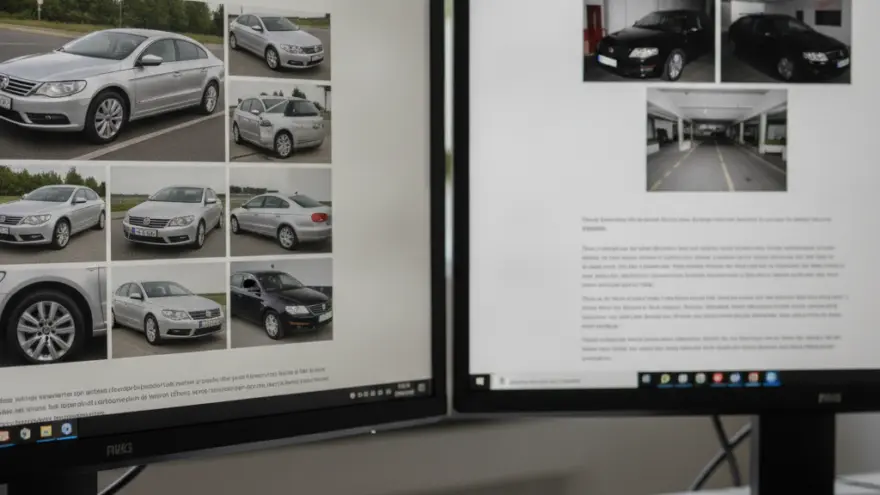
Once the page appears, the eye moves. It goes to the photos first, then the price. The description comes much later. A run of bright, sharp images works at once. It tells the buyer the car is real and cared for. A single dark photo does the opposite. So does a stock image where the real car belongs.
The price belongs in that same first glance. Hidden behind a phone call, it feels like a trap. The cautious buyer goes back to an open listing. Picture two Passats at a similar price. One page shows twelve clear photos and the figure in euros at the top. The other shows three photos and price on request. The first page wins the enquiry almost every time. It respected the visitor’s time.
Trust signals decide who feels real
A used car is a large purchase. Even a first impression must reassure a little. The buyer wants to feel a real business stands behind the offer. He looks, often without realizing it, for small signals. A named contact and opening hours count. So do a location, a warranty note and a real photo of the premises. If they are missing, a faint unease remains.
A marketplace listing flattens all of this. Every dealer appears in the same template. Nothing sets a careful family business apart from an anonymous trader. Your own vehicle page can do more. It places the car next to your name, your team and your guarantees. Trust grows there, long before anyone visits. We develop this idea in how to build online trust before the first test drive.
Open your own page like a stranger
Take out your phone. Switch off the office Wi-Fi. Open one of your vehicle pages over mobile data, just as a buyer would. Time how long it takes to appear. Check whether the price is visible without scrolling. See whether you could send an enquiry with one thumb. The first thing that annoys you is the first thing that costs you enquiries.
The first impression on Google starts before the click
The early impression does not begin on your page. It begins in the search result. Google shows a line of text before anyone clicks. A clear title names the model, year and price. On your own domain, it reads as a direct answer. A vague or missing entry reads as a gap. Then the buyer clicks a marketplace instead.
This is why a real page on your domain matters. It counts for more than an embedded list from another provider. When the vehicle is genuine content under your address, Google can show it well. The buyer arrives already half convinced. When the stock lives inside a foreign frame, Google often has nothing to show. The strong first impression never gets its chance. A modern dealership site is built around this idea. More on it in what a modern dealership website needs today.
One steady impression across every car
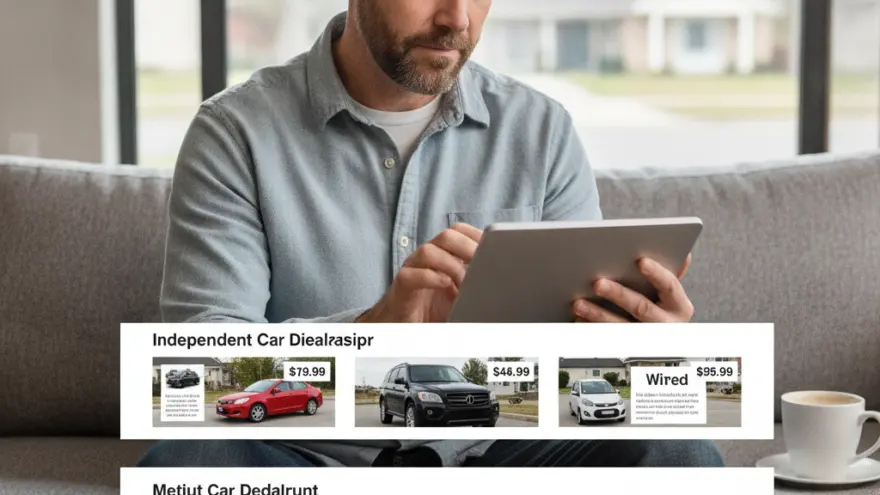
A single polished page is good. The harder task is every car. Each one should look that good without endless manual work. When pages are built one at a time, quality drifts. An older listing has small photos. A newer one has a different layout. A buyer who browses several cars senses the inconsistency. He may not be able to name it.
This is where an automated source pays off. Every vehicle page comes from the same structured data. The layout, the photos and the placement of the price stay identical. This holds across the whole stock. The fiftieth car makes the same confident first impression as the first. A dealer who turns inventory over quickly gains the most. That reliability is worth more than one beautiful page.
From real use
A dealer moved his stock onto his own domain. The plugin built it into fast, consistent vehicle pages. Visitors used to open a listing and leave within seconds. Now they stayed longer and sent enquiries through the site. The clearer first impression was the visible cause. The same car, shown as a fast page on the dealer’s own domain, simply read as more trustworthy than the old embedded list. It is not a guarantee for every business. But the direction is hard to miss.
Conclusion
The first impression your website makes is not a matter of taste. It is the moment a buyer decides whether you are worth their enquiry. Speed, a mobile-ready layout and honest photos all matter. A visible price and clear trust signals matter too. All of it combines in the first seconds. A marketplace listing cannot deliver it for you. The ADP Car Market Hub WordPress Plugin from AD Promotion turns your vehicle data into fast, consistent pages. They live on your own domain. So every car earns the same confident first look. The buyer meets your dealership, not an anonymous list. The enquiry stays with you.
Sources
- web.dev, Largest Contentful Paint and how loading speed shapes the user experience.
- Google Search Central, how Google generates title links in search results.
- Think with Google, research on mobile behavior and page speed.
Frequently Asked Questions
How fast does a vehicle page need to load?
Fast enough that the visitor never starts waiting. As a rough guide, the key content, the photo and the price, should be in place within about two to three seconds. Every extra second measurably costs patience, especially on a phone over mobile data.
Does the first impression really form before anyone reads?
In essence yes. The effect of speed, layout and image quality sets in before the visitor consciously takes in the text. It does not replace good content, but it decides whether the buyer ever gets as far as reading it.
Should I show the price or ask buyers to call?
Show the price. A hidden offer feels like an obstacle and sends the cautious buyer back to a listing where the number is visible. A clear price builds trust and, at the same time, filters out the serious enquiries from idle clicks.
Why does an embedded provider list hurt the impression?
An embedded outside list looks like vehicles, but technically it does not belong to your domain. Google can barely treat the content as your page, and if a button inside the frame fails, you can rarely fix it yourself.
How many photos make a good impression?
Enough to show the car honestly, usually eight to twelve good shots. More important than the count is bright, sharp images from the familiar angles, inside and out, rather than a single dark photo.
Does the plugin require AutoScout24?
No. AutoScout24 is a convenient data source, not a condition. You can just as easily bring the stock in through CSV, Excel, XML or JSON, by feed over URL, FTP or SFTP, or by hand in the WordPress backend.
Can I keep my existing WordPress design?
Yes. The ADP Car Market Hub WordPress Plugin builds the vehicle pages within your theme, so they match the look of your dealership. You keep your design and simply gain clean, consistent vehicle pages.
How does a steady impression help with Google?
Real, fast pages on your domain can be indexed and shown with the model, year and price in the search result. When the presentation stays the same across the whole stock, each page builds trust, and the buyer arrives more convinced.