Price gets the first click, but a dealership brand earns the second visit. When two dealers list the same Ford Focus at almost the same price, the buyer picks the name that already feels familiar. That familiarity is what a dealership brand does online, long before anyone walks onto the lot. It is the reason a shopper types your business name into Google instead of scrolling another row of nearly identical listings.
Many dealers still treat branding as a logo and a fresh coat of paint on the showroom wall. Online a brand is something narrower and far more useful. It is the sum of every page, photo, review and reply a buyer meets before the first call. This article shows how to build a dealership brand that buyers remember, and how your own website turns scattered impressions into one recognizable business.
Why price alone never builds a dealership brand
On a crowded marketplace, price is the only thing a buyer can compare at a glance. Every listing uses the same template, so the cheapest line wins the click and the next dealer simply undercuts it. The trouble is that a discount buys one sale, not a memory. The shopper who came for the lowest number leaves the moment a lower number appears somewhere else.
A dealership brand changes which question the buyer asks. Instead of who is cheapest today, they start to ask who they would rather buy from. Picture a family comparing two used vans at almost the same price. One seller is a faceless row in a list, the other is a business they have seen before, with a clear name and a steady look. That second impression is what survives the price war, and it is exactly what a marketplace cannot build for you.
What a dealership brand actually means online
Offline a brand lives in the building, the signage and the handshake. Online none of that travels with the car. What reaches the buyer instead is a set of small, repeatable signals, and together they decide whether your business feels like one company or twenty unrelated ads. Those signals are your photos, your wording, your logo, your colors and the speed and tone of your replies.
The catch is that you only control those signals on pages you own. On a listing site, the platform sets the layout and your identity is reduced to a name in small print. A buyer who clicks three of your cars on a marketplace sees three identical frames, not your business. On your own vehicle pages, those three cars share one header, one design and one tone. The buyer then starts to recognize you. You can read more about earning that recognition in how dealerships build trust online.
Where your brand becomes visible
This is where the ADP Car Market Hub WordPress plugin helps. It turns your inventory into your own vehicle pages, each one carrying your logo, your colors, your contact details and the same steady layout. Your dealership brand then appears the same way on every car, instead of dissolving into a marketplace template.
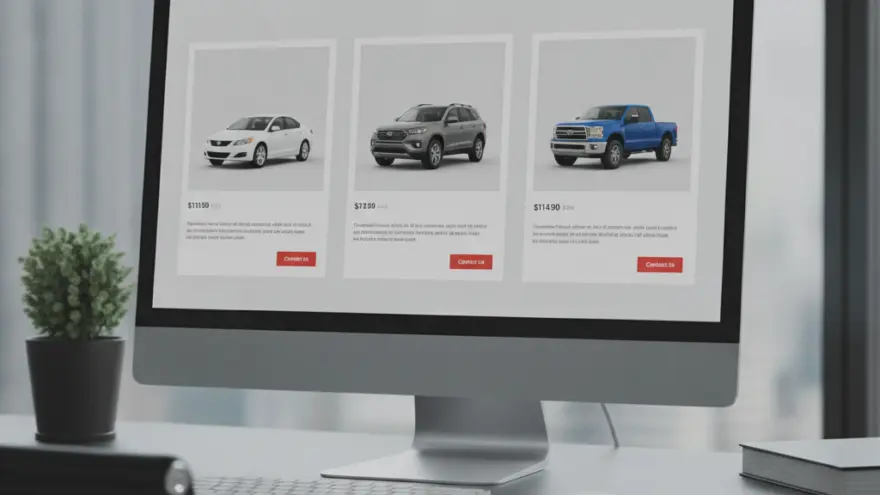
One consistent look across every vehicle page
Consistency sounds dull, yet it is the part of branding that quietly does the work. A buyer rarely studies your design on purpose. They simply feel, within a second or two, whether a page looks settled or thrown together. Mismatched photos, three different fonts and a phone number that changes from page to page send one quiet message. It says that nobody is quite in charge here.
The fix is a single frame that every car sits inside. Same photo style, same order of details, same place for the price and the contact button. Take a dealer who shoots every car against the same clean wall and writes each description in the same short, honest format. A buyer who lands on the third listing already knows where to look, and that ease feels like competence. The cars differ, but the business behind them stays unmistakably the same.
Search your own name and look closely
Type your business name into Google. Open the first three results as a stranger would. If the photos, tone and contact details differ from page to page, your brand is leaking. A buyer who feels that mismatch quietly moves on. A settled, consistent look keeps that buyer with you.
A voice that sounds like your business
Branding is not only what a buyer sees, it is also what they hear in your words. Most listing text reads like it came from a machine, a flat list of bullet points with no person behind it. That blankness is a missed chance, because the way you describe a car is one of the few things a competitor cannot copy from you.
A voice does not mean clever slogans. It means writing the way you would actually talk to a customer on the lot. One dealer ends every description with a plain note about what was recently serviced and what the next owner should know. Another always names the person who looked after the car. Small habits like these repeat across hundreds of pages, and over time the wording itself starts to feel like your business. The buyer cannot say why one listing felt warmer, only that it did.
Reviews and real faces make the brand believable
A logo and a tidy layout open the door, but trust is what carries a buyer across it. People do not bond with a template, they bond with other people. A dealership brand becomes believable the moment a stranger can see who stands behind the offer, which is the one thing a marketplace strips away by design.
Put a face to the business on your own pages. Show the team, the workshop and a handful of honest reviews next to the cars they belong to. A buyer comparing two similar BMW listings will lean toward the one where a named salesperson, real opening hours and recent customer voices appear together. That mix turns an anonymous offer into a business the buyer can picture calling. You can see how reviews fit into this in how customer reviews win over car buyers.
How your own pages keep the brand measurable
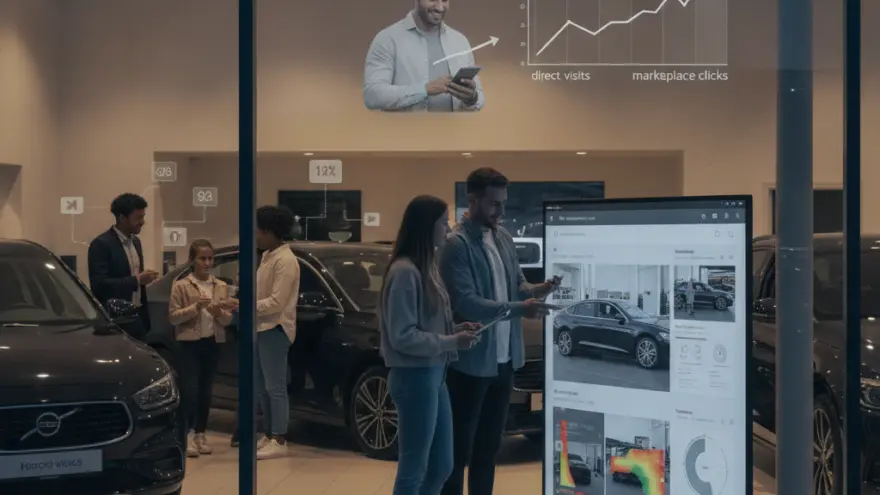
A brand you cannot measure is just a hope. The advantage of building it on your own site is that every signal becomes visible. You can see which vehicle pages hold attention and which photos get clicked. You also see how many buyers return to your name directly instead of arriving cold from a listing. None of that is readable when your cars live only on someone else’s domain.
Tie this to plain numbers over a few months. Watch how many people search your business name in Google and how often visitors come back. Count how many enquiries name a specific car they saw on your site. A dealer who runs the same calm pages for a season usually sees direct, brand led visits climb while marketplace clicks stay flat. That gap is the brand doing its work, and it only shows up because the pages are yours to track.
From real use
One used car dealer built every vehicle page with the ADP Car Market Hub WordPress plugin. Across them ran the same photo style, the same short description format and the same friendly reply tone. Over the following months, more buyers arrived already knowing the business by name. Direct enquiries through the site grew noticeably. The plugin was the cause. Its own findable pages let Google index a consistent brand, and that recognition set the dealer apart. It is no fixed promise, yet the lever is clear.
Conclusion
A used car is a large, personal purchase, and people prefer to make it with a business they recognize. The big listing sites still bring reach, but they cannot build a dealership brand for you, because every dealer there wears the same frame. Your own website can. It holds one consistent look, one honest voice and the real faces behind the cars, all on pages Google records as yours. The ADP Car Market Hub WordPress plugin from AD Promotion reads your vehicle data and builds those standalone pages. The next buyer then remembers your name, not just the lowest price.
Sources
- Think with Google, consumer research on how buyers research cars and brands online.
- Google Search Central, how Google crawls and indexes the pages on your own domain.
- AutoScout24, pan European vehicle marketplace where dealer listings share one template.
Frequently Asked Questions
Is a dealership brand worth it for a small business?
Yes, and often more so. A small dealer cannot win a pure price war against large groups, but a clear, consistent brand makes nearby buyers remember and choose you, which is where a smaller business has the advantage.
Does a brand mean I need an expensive logo and agency?
No. Online a brand is mostly consistency, the same photo style, wording, colors and contact details across every page. A clean logo helps, but the steady, repeated impression matters far more than a costly redesign.
Can I build a brand if my cars are on AutoScout24?
Only partly. Marketplaces give you reach but force every dealer into the same frame, so your identity stays small print. You build the brand on your own website, where the look and voice are fully yours.
How long before brand building shows results?
It is gradual, usually over months rather than weeks. You will first notice more people searching your business name directly and more returning visitors, before that turns into a steadier flow of direct enquiries.
What is the single most important branding step?
Consistency across your own vehicle pages. The same layout, photo style and tone on every car teaches buyers to recognize you, and that recognition is what a marketplace listing can never give you.
Does branding really affect whether buyers contact me?
It does, especially at similar prices. When two offers match on the numbers, buyers lean toward the business that feels familiar and trustworthy, which is exactly what a consistent brand creates.
How do I know my branding is working?
Track direct name searches, returning visitors and enquiries that mention a car seen on your site. When these climb while cold marketplace clicks stay flat, your brand is doing its work.