Your next sale is often already in your customer file. Someone who bought a car from you three or four years ago is slowly thinking about the next one. These old customers already know your dealership and trust it. Yet most stores simply stop reaching out after handover. That is where they give away the easiest sale of the year.
This article shows why old customers are the cheapest path to your next deal. You will read where contact breaks after the purchase and how to spot the right moment. You will also see how the ADP Car Market Hub WordPress plugin from AD Promotion keeps the customer and the car they bought together, so you know who is due to switch.
Why Old Customers Are the Cheapest Sale
Winning a new prospect costs advertising, time, and patience. A happy past buyer is already convinced. They know your store, your people, and your service. You do not have to build that trust again, only keep it warm. Here is an example. A family bought a Skoda Octavia from you four years ago. The wagon is bigger than they need now, and the kids have moved out. A short, personal call at the right time brings them back faster than any costly ad. The effort is small, and the close rate with known buyers runs much higher.
The cost gap is real. An ad for a stranger costs money long before any conversation starts. With a past buyer, that expensive first step almost disappears. Email ten suitable old customers and several often reply. No bought click reaches that response rate. The reason is simple. These people already bought from you once and remember a smooth handover. That experience sells the next car almost on its own.
Why Contact Breaks After the Purchase
After handover, everyone takes a breath. The salesperson moves to the next deal, the customer drives off happy. Months pass without a word. When that customer looks for a new car years later, your name is no longer top of mind. The cause is rarely ill will, but a missing routine. No one wrote down when a fresh contact would pay off. Take one case. A customer leases a Golf over three years. If no one calls before the lease ends, they compare online and land at another dealer. The relationship was there, only the reminder was missing.
Behind this is rarely indifference, but a gap in ownership. No one feels responsible for the customer from three years ago. The file grows, but nobody looks inside. Picture this. A salesperson leaves and takes their knowledge of those customers in their head. Whatever is not in the system is gone with them. Without a fixed place for purchase date and vehicle, the relationship fades quietly, with no falling out. The customer only notices that no one ever called.
Customer and vehicle stay linked
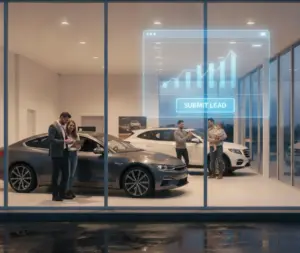
With the ADP Car Market Hub WordPress plugin, the customer and the car they bought stay linked, instead of vanishing into separate lists. You see at a glance who bought what three years ago and when a fresh contact is worth it. A quiet file turns into a list of warm old customers.
[IMAGE]
Spot the Right Moment to Reach Out
With past buyers, timing matters more than the message. Call too early and you seem pushy, call too late and the customer is gone. There are clear signals for the right moment. A lease ends, a car reaches four or five years, high mileage is near. Consider a customer. They have driven their diesel for five years and come in for service. That is the natural reason to mention a newer, more efficient model. Record these dates, and you catch the moment before the customer starts searching.
These signals are already in your records, they are just rarely used. From the purchase date and model, the typical switch window is easy to estimate. A quick example. Someone who bought a family wagon often thinks about a bigger or more efficient model after four or five years. A high-mileage driver switches sooner than a low-mileage one. Know this pattern, and you reach the customer in the right window. Too early feels like sales pressure, too late and another dealer already has the appointment.
Match the Message to the Car They Bought
A generic blast to your whole list reads like an ad and ends up in the trash. A message that knows the actual car feels like service. Talk about the car the customer really drives, not a discount. One example. Instead of ten percent off everything, you write that there is a good successor to their four-year-old Tiguan and a fair trade in offer. That personal note sets you apart from any anonymous ad. How you stay in touch after the sale is the groundwork for it.
Personal does not mean elaborate, just specific. Two or three sentences are enough if they name the right car. Say it plays out like this. A short email mentions the model, its age, and a fitting successor with a similar character. Add one line about a possible trade in, and you are done. That message reads like a tip from an expert, not a sales letter. Send everyone the same offer, and you only show that you do not know who is at the other end.
Note the replacement date right at the sale
Note the purchase date, model, and likely replacement time for every car you sell. With that one column, each month you know which old customers are due soon, with no digging.
[IMAGE]
Turn Old Customers Into a Steady Routine
A one-off call does little, a reliable rhythm does a lot. Once a month, look at who comes due in the next few weeks. A short call or a personal email is enough, not a big program. What matters is that someone actually does it and keeps at it. Here is an example. A store checks the cars turning four years old at the start of each month. That produces a few conversations, and some of them become sales. How that grows into a reminder for the next service closes the loop.
To make it stick, it needs a fixed slot in the calendar, not good intentions. Pick one day a month when someone works the due list. Take one case. Every first Monday, a salesperson checks the cars turning four years old and calls five customers. These are not cold calls but conversations with people you know. Over a year, that adds up to many warm contacts and a handful of sales no one else would have made.
From practice
One dealership used the ADP Car Market Hub WordPress plugin to link every customer firmly to the car they bought. Before each lease end and from four years of vehicle age, the contact appeared on a list automatically. The salespeople called in time, and more old customers bought their next car in house again. It was not the plugin that sold the car, but the timely personal contact. The plugin made it possible by keeping customer and vehicle together. That is no guarantee, but the pattern is clear.
Conclusion
Old customers are not a closed deal but your warmest market for the next sale. They are lost not to the competition but to the silence after handover. Keep the customer and the car together, spot the right moment, and speak personally about the actual vehicle. The ADP Car Market Hub WordPress plugin from AD Promotion supports this by keeping every purchase history visible. A quiet file becomes a steady stream of repeat business, with no bigger ad budget.
Sources
- Bain & Company, research on the economics of customer retention versus costly new-customer acquisition.
- Think with Google, research on how buyers compare online before their next car purchase.
- Cox Automotive, studies on repeat purchase and ownership length in the car market.
Frequently Asked Questions
Why is it worth contacting old customers?
A happy past buyer already knows your store and trusts it. You do not have to build trust again, only remind them at the right time, which is why the close rate with old customers runs well above cold prospects.
When is the best moment to reach out?
Good triggers are the lease end, a vehicle age of four or five years, high mileage, or the next service. Record these dates, and you reach the customer before they start searching themselves.
How often should I get in touch?
A reliable rhythm beats a one-off call. Check once a month who is coming due, then reach out to them specifically rather than emailing everyone at once.
What do I write to a past buyer?
Talk about the actual car they drive and offer a fitting successor with a fair trade in. A personal message feels like service, a generic blast feels like an ad.
Do I need an expensive CRM for this?
No. It is enough to record the purchase date, model, and likely replacement time for every car sold. The ADP Car Market Hub WordPress plugin keeps customer and vehicle together anyway, so you have this list with no extra work.
Will I come across as pushy?
Not if the timing is right and the message is personal. A call around lease end or service lands as help, not pressure, because it matches the customer’s real need.
How does the plugin help with old customers?
It links each customer firmly to the car they bought and makes the purchase date and age visible. The right contact then appears on a list automatically as a switch comes due.
Is this worth it for a small business?
Especially there. You do not need big marketing, only a clear view of who needs their next car when, and the will to call in time.