A buyer sends an enquiry about a car on your website, then keeps looking. Two or three other dealers have something similar. Whoever answers first, while the interest is still warm, usually gets the conversation. That is the whole case for fast follow up. Deals are lost less often to a lower price than to a slower reply.
Most dealerships know they should answer quickly, yet leads still sit for hours. This guide shows why speed decides so many sales, what fast follow up looks like in practice, and how the ADP Car Market Hub WordPress Plugin from AD Promotion gets each enquiry to the right person the moment it lands. The examples are everyday, the kind every showroom sees.
Why a car lead goes cold so fast
A fresh enquiry has a short window. The buyer is at the screen, comparing models, ready to act. An hour later they are cooking dinner and the urge has cooled. Wait until the next morning and another dealer has often already called. Studies on sales leads show the odds of reaching someone drop sharply after the first hour. The car has not changed. The moment has.
Picture a Saturday enquiry on a Ford Kuga. Answer within ten minutes and you catch the buyer still on the sofa, laptop open. Answer on Monday and the same person may have booked a test drive elsewhere. Fast follow up is not about pressure. It is about reaching people while the question is still on their mind. There is also a fight for attention, because the same buyer has tabs open from two or three dealers and a marketplace alert, and the first useful reply is what pulls them out of that comparison.
What fast follow up really means
Fast follow up is measured in minutes, not days. It does not mean a perfect sales pitch. It means a quick, human reply that confirms the car, answers the question and offers a clear next step. The first message can be short. What counts is that it arrives while the buyer still cares.
From enquiry to reply
With the ADP Car Market Hub WordPress Plugin, every enquiry arrives tied to the exact vehicle and goes straight to a person, not a shared inbox nobody checks. The salesperson sees the car, the question and the contact at once. So the first reply goes out in minutes.
A worked example. A buyer asks whether a Renault Clio is still available. A reply two minutes later, with a yes, a photo and two test drive slots, feels like real service. The same words a day later feel like a missed chance. The content barely changed. The timing did everything. Speed is not rudeness either, a quick note simply respects that the buyer asked now and wants to move now.
Get the lead to the right person instantly
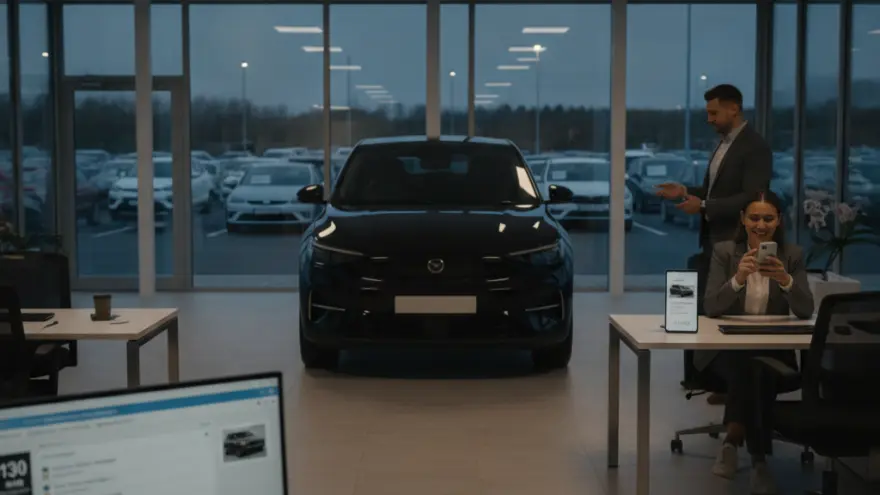
Fast follow up fails at the handover. An enquiry that lands in a general mailbox waits until someone happens to look. By then the hour is gone. The fix is to route each lead to a named person the moment it arrives, with a clear owner and a clear deadline.
On a phone this matters even more. Many buyers enquire from a mobile in the evening, outside office hours. A notification that reaches the right salesperson at once, with the car attached, turns a late enquiry into a same evening reply. Decide in advance who answers and how fast, so no lead waits for a meeting on Monday. One simple shared rule, the lead goes to whoever is free and they own it until it is answered, prevents the quiet gap where everyone assumes a colleague will reply.
Set a reply deadline everyone knows
Agree one simple rule, for example every web enquiry gets a first reply within thirty minutes during the day. A shared, visible deadline beats good intentions, because everyone knows what fast follow up means and who owns the next lead.
Make the first reply useful, not just fast
Speed without substance backfires. A one line still available reply is fast, but it leaves the buyer to do all the work. A useful first reply answers the actual question, confirms the car and price, and offers a concrete next step. It also shows you read the message, because repeating the model, the price and the one detail they asked tells the buyer a real person looked, not an autoresponder. That turns a quick answer into a real conversation.
For example, a buyer asks about the service history of a Skoda Octavia. A strong reply confirms the full history, attaches the document and offers a Saturday viewing. The buyer gets everything in one message and a reason to say yes. Fast and helpful together beat fast and empty every time. Read how to turn website visitors into real leads before this step even begins.
Keep following up without giving up too early
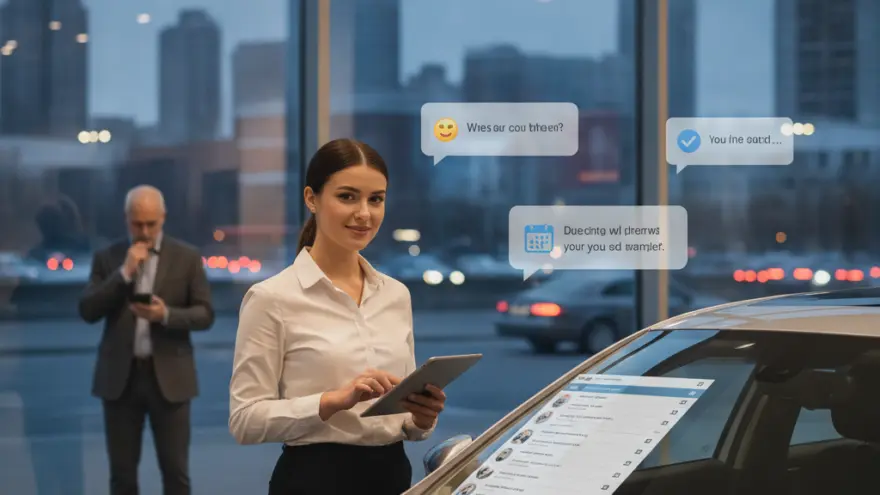
One reply is rarely the whole job. Many buyers do not answer the first message, and dealers often stop too soon. A short, friendly second and third touch, spaced over a few days, recovers deals that a single attempt would lose. Persistence here is polite, not pushy.
From real use
A dealer set every web enquiry to reach a salesperson’s phone the moment it arrived through the ADP Car Market Hub WordPress Plugin, with the vehicle attached. Average reply time dropped from hours to minutes, and more first messages turned into test drives. The plugin did not sell the cars, the faster human reply did, yet it made that speed possible by putting the lead in the right hand at once. It is no guarantee, but the pattern is clear.
The point is a rhythm, not a barrage. A reply within minutes, a gentle reminder the next day, a final check a few days later. Most sales that look lost are simply leads that no one followed up a second time.
Conclusion
Fast follow up is the cheapest advantage in car sales. It costs no extra advertising, only a quicker, more useful reply while the buyer still cares. Reach the lead in minutes, send a helpful first message, and keep a polite rhythm until you get an answer. The ADP Car Market Hub WordPress Plugin from AD Promotion supports this by routing every enquiry, with its vehicle, straight to a named person. The price stays the same, but the dealer who answers first usually wins the car. None of this needs a bigger budget or a new tool chain, only a clear owner for every lead and the will to answer first. See how to win dealership online leads instead of waiting for calls and make speed your habit.
Sources
- Harvard Business Review, study on how the odds of reaching a sales lead fall within the first hour.
- Think with Google, consumer research on how buyers shop for vehicles across several dealers online.
- Google Search Central, how Google crawls and indexes your own vehicle pages.
Frequently Asked Questions
How fast is fast enough for a follow up?
As a rule, within the first hour during the day, and ideally within minutes. The odds of reaching a new lead fall quickly after the first hour, so a reply while the buyer is still at the screen is worth far more than a polished message the next day.
What should the first reply actually say?
Confirm the car is available, answer the exact question, and offer a clear next step such as a viewing or a test drive slot. A short, human message that does these three things beats a long pitch, because it lets the buyer move forward right away.
Do I need a CRM for fast follow up?
It helps, but the first requirement is simply that each enquiry reaches a named person at once. The plugin routes every web enquiry, with its vehicle, straight to a salesperson, so even a small team can reply in minutes without a complex system.
How many times should I follow up?
A reply within minutes, a gentle reminder the next day, and a final check a few days later is a sensible rhythm. Many deals are lost simply because no one followed up a second time, while a barrage of messages only annoys the buyer.
What about enquiries that arrive after hours?
Buyers mostly enquire in the evening, so a mobile notification matters. If the right salesperson gets the lead on their phone with the car attached, a late enquiry can still get a same evening reply, which often decides the sale before a rival opens their inbox.
Is speed more important than price?
Price still matters, but when several dealers offer a similar car, the fastest helpful reply often wins. A buyer who gets a clear answer first frequently stops comparing, so speed quietly closes deals that a small price difference would not.
Does fast follow up work for a small dealership?
Yes, and it is often where a small dealer beats a larger one. You do not need a big team, only a clear rule on who answers and how fast, plus a way for each enquiry to reach that person the moment it lands.
How does the plugin help me reply faster?
Each enquiry arrives tied to the exact vehicle and is routed to a person rather than a shared inbox. The salesperson sees the car, the question and the contact at once, which removes the delay between a lead landing and someone noticing it.