A new car enquiry is a fragile thing. Someone liked a car on your website, found a quiet minute and reached out. That interest cools fast. How you handle the next hour often decides whether the message becomes a visit or a dead lead. This guide lays out a calm, repeatable way to handle a car enquiry, from the first reply to the booked appointment.
The aim is not a clever sales script. It is a fast, human first response that answers the real question and gives the buyer a clear next step.
Why the first hour of a car enquiry matters most
Most enquiries are lost in the first hour, not at the price talk. A buyer rarely writes to one dealer only. They often message three in the same evening and compare the replies. The car is usually still negotiable, so what stands out first is the response itself. Whoever answers fast and sounds human earns the early trust, and early trust is hard to take back.
Research on lead response time points the same way. Once the first hour passes, the odds of reaching the contact fall sharply. Fast does not mean instant, but it does mean minutes rather than days. Here is an example. A prospect emails at eight in the evening about a used sedan. One dealer replies at quarter past, with the car still available and one fresh photo. Another replies two days later. The first dealer gets the visit, often even at a slightly higher price. A car enquiry rewards attention more than discount, and attention is mostly about speed.
Answer fast, while the interest is still warm
Speed beats polish. A short reply within the hour beats a perfect message two days later. You do not need the full answer right away. A quick note that confirms the car and promises details shortly already keeps the buyer with you. The point is to break the silence before a rival does. A holding reply is not rude, it is reassuring, and it buys you the time to prepare a proper answer.
For that to work, the enquiry has to land somewhere you actually watch. Buyers reach out by web form, by email and sometimes through a messaging app, and each channel needs an owner. An email in an inbox nobody opens until Monday is a lost lead. Route every enquiry to one place with an instant alert, on the phone of whoever can answer. A walk-in still beats a notification, so the system should help your staff, not replace them.
Catch every enquiry where you will see it
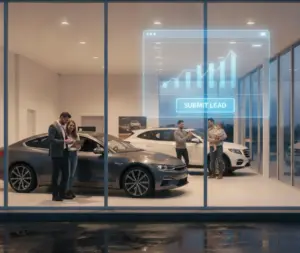
A car enquiry is only worth something if it reaches you in time. The ADP Car Market Hub WordPress plugin from AD Promotion captures the enquiry right on your own vehicle page, ties it to the exact car and sends an instant notification to your team. Each lead carries the vehicle, the message and the contact in one place, so the first reply takes seconds, not a search through three inboxes.
Your first reply, and the questions worth asking
Keep the first reply short and useful. Confirm the car is still available, because that is the buyer’s first worry. Answer the exact question they asked, not a generic pitch. Add one detail that moves things along, such as a fresh photo, the service history or the next free slot for a viewing. Then give a clear next step and sign with a real name, because a line from a named person reads warmer than a faceless auto-reply.
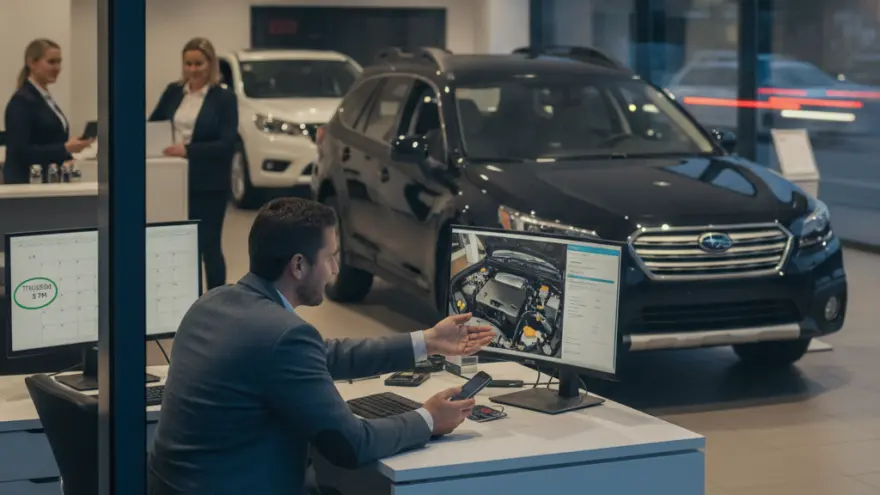
You also want to learn a little about the buyer, but resist asking everything at once. A ten field form before any human contact feels like an interview, and many buyers simply drop out. One or two questions are enough at this stage. Ask what fits the conversation, such as when they could come by, whether they are trading in a car or whether they need financing. Save the rest for the showroom, where trust is easier to build. Imagine a buyer who asked about the timing belt on a station wagon. A reply that confirms the belt was changed, attaches the invoice and offers Thursday at five turns a question into an appointment.
Steer the car enquiry toward a visit
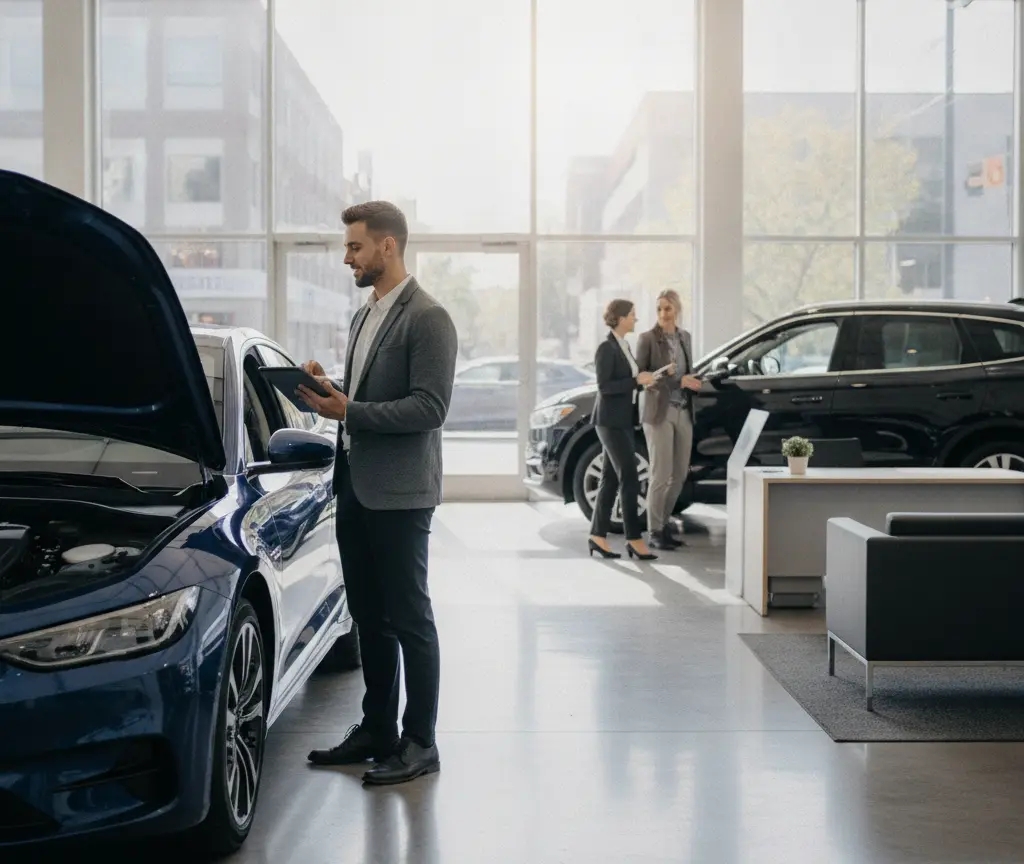
The goal of the first exchange is not to sell the car by email. It is to agree a time to meet. A used car sells in person, where the buyer can sit in it, hear the engine and look you in the eye. So every reply should gently point to a visit or a test drive, without pushing for a signature. The enquiry is an invitation to start a conversation, not a contract to close on the spot.
Offer two concrete slots rather than a vague invitation. Two clear options are easier to say yes to than an open question. Confirm the appointment, then send a short reminder the day before so it actually happens. A no-show is often just a forgotten plan, not a lost buyer, and a friendly nudge brings many of them back. For how to build confidence before that first meeting, read the piece on how to build online trust before the first test drive.
From real use
One dealership used to let website enquiries sit in a shared inbox that someone checked twice a day. After it switched the enquiry forms on its vehicle pages to the ADP Car Market Hub WordPress plugin, every message arrived as an instant alert tied to the exact car. The first reply dropped from hours to minutes, and more enquiries turned into booked visits. The plugin did not sell the cars, the team did, but catching each enquiry in time was what gave the team the chance. It is no guarantee, but the pattern is clear.
Follow up with care and measure what works
Not every buyer answers the first reply, and silence is not a no. People get busy, compare cars and forget. A gentle follow up a day later often revives a lead that looked dead, as long as it adds something instead of just nudging. Send one useful follow up, then maybe a second a few days on, with a fresh photo, a similar car or a note that the price still holds. After two or three tries with no answer, stop and leave the door open. For the timing that wins the most sales, read the piece on why fast follow up wins more car sales.
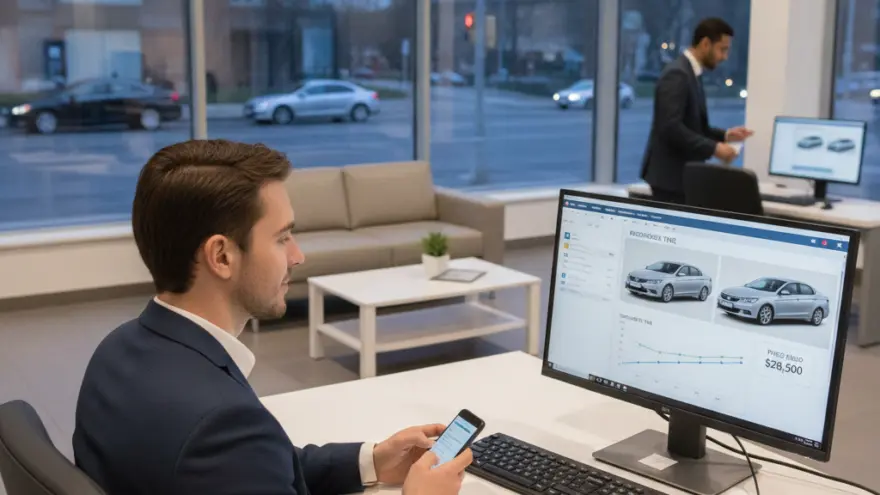
You also cannot improve what you never look at. Most dealers have no idea how long their first reply really takes or how many enquiries reach a visit. Track three numbers. Your median first response time, the share of enquiries that get any reply at all and the share that turn into a booked visit. Watch them for a month and one weak spot usually stands out, often a slow evening or a channel nobody owns. Fixing that single gap tends to do more than any new advertising, and it costs nothing but attention.
Pick one number and watch it this month
Choose your median first response time and measure it for the next four weeks. Note the time each enquiry arrives and the time of your first human reply, then look at the middle value. The number alone tends to pull replies faster, because what you measure is what the team starts to protect.
Conclusion
A car enquiry is a short window of real interest, and it closes faster than most dealers think. Answer quickly, keep the first reply human and useful, ask only what you need and steer toward a visit. Follow up with care, then measure the few numbers that matter. None of this is a trick, it is simply respect for the buyer’s time. The ADP Car Market Hub WordPress plugin from AD Promotion supports the part that machines do well, catching each enquiry on your own pages and putting it in front of your team in time. The selling still happens person to person, which is exactly where a dealership wins.
Sources
- Harvard Business Review, the short life of online sales leads and why response time matters.
- Think with Google, research on how car buyers research and decide online.
- Cars.com, US vehicle marketplace and dealer enquiry tools.
Frequently Asked Questions
How fast should I reply to a new car enquiry?
As fast as you reasonably can, ideally within the hour. A short reply that confirms the car and promises details soon beats a perfect message two days later. Research on lead response time shows the chance of reaching the contact drops sharply once the first hour passes.
What should the first reply contain?
Confirm the car is still available, answer the exact question asked and add one helpful detail like a photo or the service history. Then offer a clear next step and sign with a real name. Keep it short and human rather than a generic pitch.
How many questions should I ask up front?
One or two at most. A long form before any human contact feels like an interview and many buyers drop out. Ask what helps you prepare, such as timing, a part exchange or financing, and save the rest for the visit.
What is the real goal of the first exchange?
Not to sell by email, but to agree a time to meet. A used car sells in person, so every reply should gently point to a visit or a test drive. Offering two concrete slots makes it easy for the buyer to say yes.
How often should I follow up if there is no reply?
Once a day or two later, then perhaps a second time a few days on. Add something useful each time, like a fresh photo or a similar car. After two or three tries with no answer, stop and leave the door open.
Which numbers should I track?
Your median first response time, the share of enquiries that get any reply and the share that become a booked visit. Watch them for a month and the weakest point usually stands out, which is where to focus first.
How does the plugin help with enquiries?
The ADP Car Market Hub WordPress plugin captures each enquiry on your own vehicle page, ties it to the exact car and sends an instant alert to your team. The first reply then takes seconds instead of a search through several inboxes.