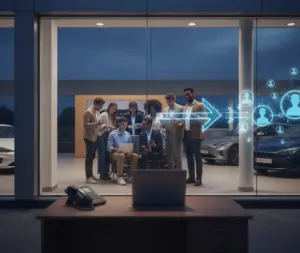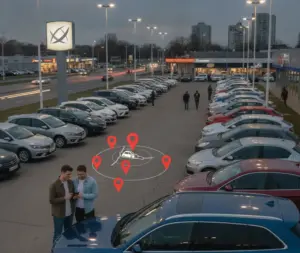
Buyers do more online every year, and the car is no exception. They research models, compare prices and judge a dealership long before they call. The honest picture of online car buying is not a robot selling cars. It is a buyer who expects each step to be easier on a screen. This guide looks at where that is heading, and how the ADP Car Market Hub WordPress plugin from AD Promotion helps your dealership keep up.
None of this means the showroom disappears. It means the path to the showroom now starts on the web. The dealerships that prepare for that path will own more of online car buying than the ones that wait.
Why buyers expect more online every year
Habits set elsewhere now shape the car search. People bank, shop and book travel on a phone. They bring the same expectation to a vehicle. Research from Think with Google suggests buyers spend most of their journey online before any visit. So the first impression of your dealership is digital, not the handshake.
Picture a buyer comparing two used cars on a Sunday night. One dealership shows a clear page with price, photos and a contact route. The other hides its stock behind a portal. The first one already feels modern. In online car buying, the easier experience usually wins the visit, and the visit usually decides the sale. A clean page is no longer a bonus. It is the part of your dealership most buyers meet first, and they size it up in seconds.
The whole purchase is moving online, step by step
For years the web was only for research. That line is fading. Buyers now want to reserve a car, ask about finance and book a handover slot without a phone call. Each step that moves online removes a small reason to hesitate. Stack enough of those small reasons and a hesitant buyer keeps going. Miss them and even a keen buyer cools off overnight.
This does not happen all at once. A dealership adds one online step, then another. First a real vehicle page, then a reservation, then a finance enquiry. A buyer who can hold a car online on Friday is far more likely to collect it on Monday. Read here how to map the online buying journey from first click to handover.

Owned vehicle pages, the base of online car buying
Every online step needs a stable home, and that home is a real page on your own domain. Without it, the buyer meets your car on a portal you do not control. With it, each car has a page you can measure, improve and build on.
The ADP Car Market Hub WordPress plugin turns your vehicle data into exactly those pages. From there you can add a reservation, a finance request or a test drive booking, all on your own site. That is how a dealership grows into online car buying without rebuilding its website every year. Each new step reuses the same page, so the effort compounds. A reservation added once keeps working for every car you list.
How the plugin carries the buyer from search to enquiry
The plugin builds each car as a real page on your WordPress site, then guides the visitor along the journey. Search leads to a detail page. The detail page leads to a contact form, a reservation or a test drive request that already carries the vehicle. Every step is measurable, so you can see where online car buying stalls and fix it. Nothing depends on a foreign portal.
Clear next steps and honest prices online
A buyer who is ready at midnight should not have to wait for opening hours. The future of buying rewards the dealership that offers a clear next step at any time. A reservation button is the simplest version of that step. It asks the buyer for nothing beyond a click, yet it signals real intent. For you that click is a warm lead waiting at the door.
It works because it matches how people already act. Someone finds the right car, holds it with a few clicks and arrives the next day as a serious buyer. The plugin lets you place that step on every vehicle page. Read here how an online reservation turns interest into a firm appointment.
Online buyers reward openness. A hidden price or a vague finance note sends them to the next tab. As more of the purchase moves online, clarity becomes a competitive edge rather than a nice extra.
So show the price plainly and let the buyer estimate a monthly rate themselves. A used Volkswagen Golf with a clear price and a simple finance estimate feels honest before anyone talks. The plugin supports this on your own pages, where you control the message. Honest numbers online tend to bring better conversations offline. A buyer who trusts the number online arrives ready to talk, not to argue over surprises. That alone shortens many a sale.
How AI and search are reshaping discovery
How buyers find cars is shifting too. Search engines increasingly answer questions directly, and AI summaries point people to clear, well structured pages. No one can promise exactly how this settles. The cautious read is that owned, well built pages travel better than content trapped in a portal.
A vehicle page on your domain gives a search engine a clean answer, with title, price, images and location. That is the kind of source these systems prefer to cite. The plugin produces such pages by default. It is no guarantee of a top result, but it puts your dealership in the conversation about online car buying instead of leaving it out. The safe move is simple. Build pages worth citing, keep them clean and current, and let the search systems catch up to them.
Add one online step this quarter
Do not try to digitize everything at once. Pick the single step buyers ask for most, often a reservation or a finance estimate, and add it to your vehicle pages first. Measure how many people use it. One working step that buyers actually want beats a long roadmap that never ships.
How to get your dealership ready now
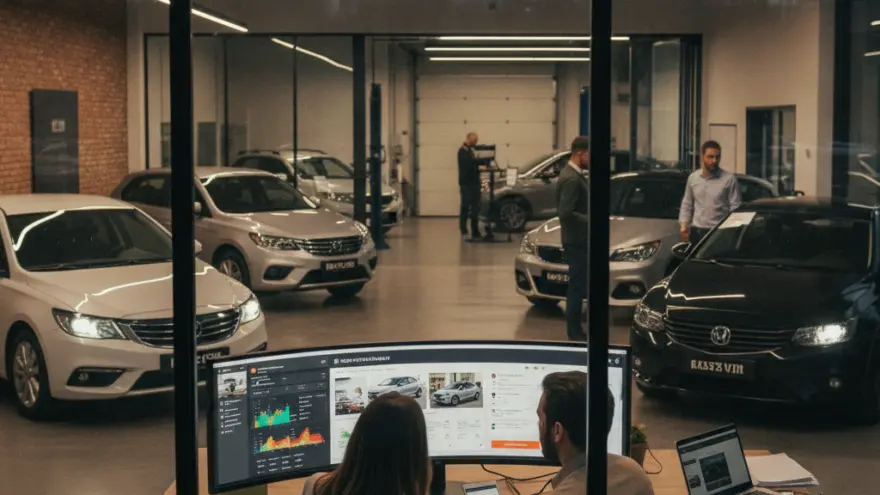
Readiness is not a single big launch. It is owning your vehicle pages, then adding one online step at a time. Start with real pages, measure what buyers do, and let the data choose the next step. That keeps the change affordable and steady.
The ADP Car Market Hub WordPress plugin gives you that base on WordPress. It reads your stock from AutoScout24, a CSV or Excel file, XML, JSON or an automatic feed. From it the plugin builds pages you can extend over time, so your dealership grows with online car buying rather than chasing it later. You set the pace, one measured step after another, and keep full control of the budget. Nothing here demands a risky leap.
From real use
A dealership moved its stock onto owned vehicle pages with the ADP Car Market Hub WordPress plugin, then added a reservation step. Over the following months a growing share of appointments started online, from buyers who had reserved a car before calling. The plugin was the cause. Only owned, measurable pages let the business add and track that step at all. It is no guaranteed outcome, but it shows how a dealership grows into a more online market.
Conclusion
The future of buying a car is not a sudden leap. It is a steady shift, where each step moves online and the showroom becomes the final stop rather than the first. Online car buying rewards dealerships that own their pages and keep adding clear next steps. The ADP Car Market Hub WordPress plugin from AD Promotion gives you that foundation on WordPress, with real vehicle pages, reservations, finance requests and clean measurement. Start small, measure, and let your dealership grow into the market instead of waiting for it to change around you.
Sources
- Think with Google, research on the online car buyer journey.
- McKinsey & Company, insights on automotive retail and digital sales.
- Google Search Central, AI features in Google Search.
- AutoScout24, public vehicle marketplace.
Frequently Asked Questions
Does online car buying mean selling the whole car on a website?
Not for most dealerships. It means moving individual steps online, such as research, reservation and a finance estimate, while the handover still happens in the showroom. The aim is a smoother path to the visit, not a fully automated sale.
Where should a dealership start?
Start with real vehicle pages on your own domain. They are the foundation every other online step builds on. Once your stock lives as owned pages, you can add a reservation, a test drive request or a finance enquiry one at a time.
Do I need to replace my website to prepare for this?
No. The ADP Car Market Hub WordPress plugin works inside WordPress and builds vehicle pages on your existing site. You extend it step by step rather than rebuilding everything at once.
How does AI search change things for dealerships?
Search engines increasingly answer directly and AI summaries favor clear, well structured pages. No outcome is guaranteed, but a real vehicle page on your domain gives these systems a clean source to read, which a portal embed does not.
Will the showroom still matter?
Yes. Most buyers still want to see and collect the car in person. What changes is that the journey now starts online, so the dealership that prepares the digital path tends to win the in-person visit.
Is online reservation really used by buyers?
More each year. A reservation lets a buyer hold the right car at any hour and arrive as a serious prospect. It removes the fear that the car sells overnight and turns late evening interest into a firm appointment.
How do I know which online step to add next?
Let the data decide. Because owned pages are measurable, you can see what buyers ask for and where they drop off. Add the step they request most, measure its use, then move to the next one.